Basement Flood Cleanup in Cypress: Slab Homes and Garages
Basement flood cleanup in Cypress usually means something different than it does up north. Most homes here sit on concrete slabs with no basement, so storm water ends up on the ground floor, in the garage or in a sunken room. The cleanup steps are similar: stop the water, document, remove wet materials and dry fast.
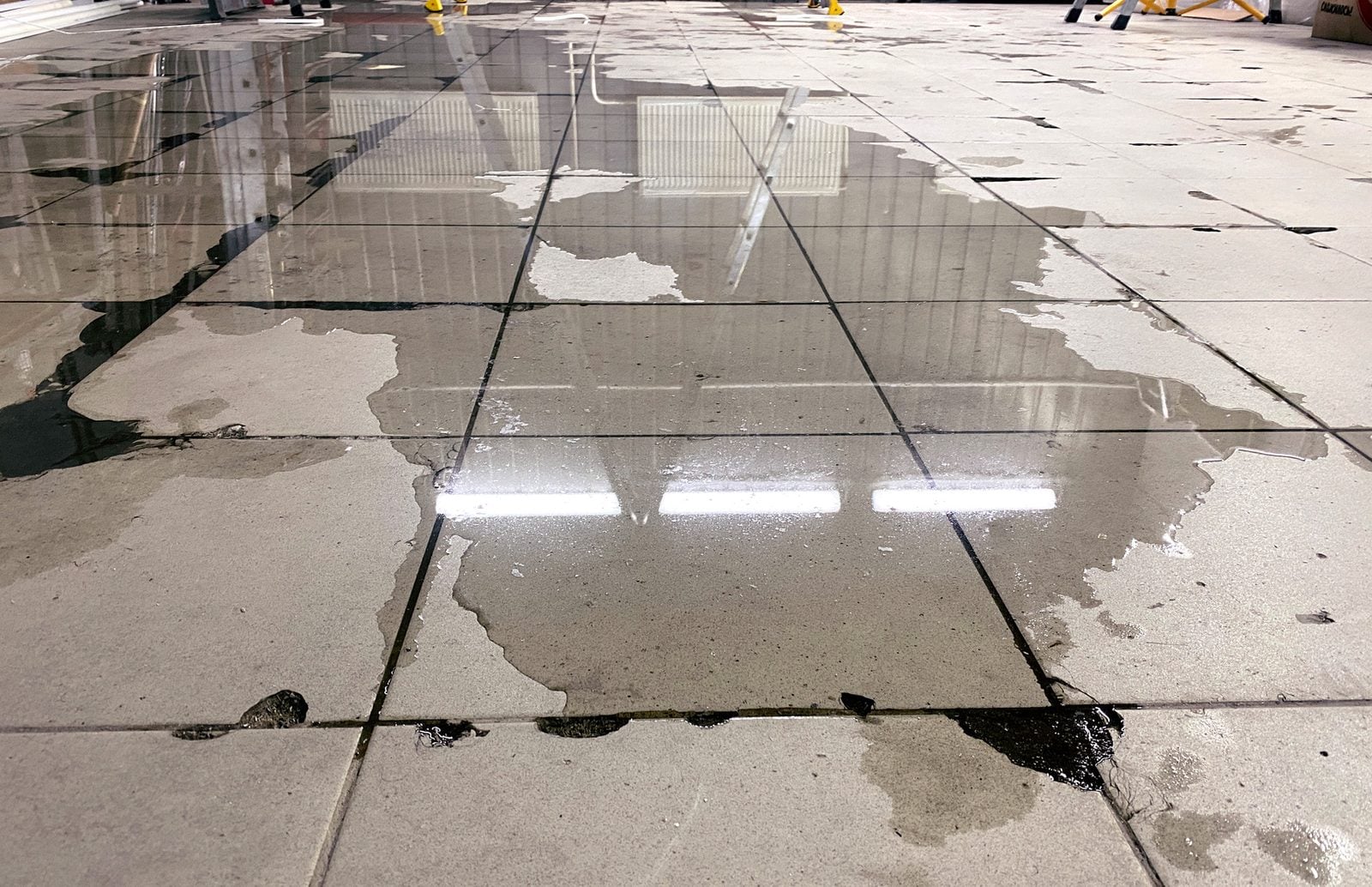
- Most new homes in the Texas region are built on slabs. NAHB reports 97.9% of new single-family homes in the West South Central division used slab foundations in 2024.
- The Harris County Flood Control District says a major flood occurs somewhere in the county about every two years, and flooding can happen outside mapped floodplains.
- TDI says a standard homeowners policy won't pay for flooding. Flood coverage requires a separate policy.
- TDI warns that mold can start growing within a day after a leak, so wet floors and walls should be dried as soon as it is safe.
- On a slab, water cannot drain down. It spreads under flooring and into baseboards and drywall.
What to do first
- Stay out of standing water that could touch outlets or cords. Turn off power at the breaker only from a dry spot.
- Stop more water from coming in if it is safe, such as clearing a blocked garage drain.
- Photograph every wet room, the waterline on walls and damaged items before moving anything.
- Move furniture, rugs and boxes off wet floors.
- Report the damage to your insurance company, then call to be connected with a local provider.
Do Cypress homes have basements?
Very few do. Most Cypress homes are built on concrete slab foundations, which is the standard across this part of Texas. NAHB data shows 97.9% of new single-family homes in the West South Central census division were built on slabs in 2024. Older homes can differ, but basements are rare.
So when people in Cypress search for basement help, they usually have one of these problems: a flooded ground floor, water in the garage, a wet sunken living room, a flooded utility room, or water coming in at a low spot along the slab. The cleanup is still urgent.
What does basement flood cleanup look like in a slab home?
Basement flood cleanup in a slab home focuses on the ground floor instead of a room below grade. Standing water is pumped and extracted, wet carpet pad and the bottom of soaked drywall are often removed, and the slab, walls and framing are dried with dehumidifiers and air movers until moisture readings return to normal.
The big difference is that water on a slab has nowhere to drain. It sits on the concrete and wicks into anything it touches. That is why emergency water extraction and structural drying are the two main parts of the job.
How does storm water get into a house with no basement?
In Cypress, storm water usually enters at the lowest point of the house. Common paths include the garage door, exterior doors close to grade, weep holes in brick, and yard drainage that slopes toward the home.
Heavy rain can also overload street drains so water backs up into yards, and clogged gutters can dump water against the foundation. Sometimes the source is inside, such as a water heater or washer in the garage.
Need help now? Call to be connected with a local provider in Cypress who can check availability for your address.
What should I do about a flooded garage?
Water on a bare garage slab can often be squeegeed out toward the driveway once the rain stops. The bigger concern is what it touched: drywall on the wall shared with the house, the water heater base, stored boxes and the doorway inside.
If drywall on that shared wall is soft or stained near the floor, water may have reached the house side too. Throw out soaked cardboard. If the water came from outside, treat it as dirty water and wash surfaces before drying.
Is floodwater from outside more dangerous than a pipe leak?
Yes, it is treated differently. Water from a clean supply line is the easiest to deal with. Floodwater from outside can carry dirt, chemicals and sewage, so it is handled as contaminated water. Porous items it touches, like carpet pad and the bottom of drywall, are usually removed instead of dried.
Wear gloves and boots if you must walk through it, and keep kids and pets away. If the water came up through a floor drain or toilet, see the sewage backup cleanup page.
Can a concrete slab be dried, or does it need to be replaced?
A concrete slab itself is usually dried, not replaced. Concrete holds moisture and dries slowly, so providers track it with moisture meters while dehumidifiers and air movers run. The flooring on top is the bigger question. Tile often survives, while carpet pad and laminate may need to come up.
Do not install new flooring until readings show the slab is dry. If you see new cracks or doors that suddenly stick, ask for a qualified foundation inspection.
Does insurance cover a flooded ground floor in Texas?
It depends on where the water came from and which policies you have. TDI says a homeowners policy won't pay for flooding, and flood coverage requires a separate policy. Water from a sudden burst pipe or broken washer hose is often treated differently than water rising from outside.
Check your policy and document everything. TDI also notes that most flood policies have a 30-day waiting period, so coverage bought during a storm usually will not apply. Our insurance claim basics guide covers what to photograph.
What happens during the visit?
A provider starts with an inspection. They confirm the water has stopped, check what type of water it is, and use moisture meters and often a thermal camera to map how far it spread under floors and into walls, including the garage and nearby rooms.
Next, they explain your options in plain words: what can be dried in place, what should be removed, and what equipment the job needs. You get a written quote before any work begins, so you can talk to your insurance company or ask questions first. Nothing should start until you agree to the plan.
Why flooded ground floors are common around Cypress
Cypress sits in northwest Harris County, where flat land and heavy rain are a common mix. The Harris County Flood Control District says a major flood occurs somewhere in the county about every two years. Houston Intercontinental's normal annual rainfall is 51.84 inches, and the Atlantic hurricane season runs from June 1 to November 30.
Harvey showed how widespread it can get. The National Weather Service reported that flooding in Harris County destroyed 835 homes and damaged 113,136 more, and catastrophic flooding hit nearly every one of the county's 22 watersheds. Because most homes here are on slabs, that water lands on the ground floor and in garages.
Whether the water is in a garage in Tomball, a sunken den in Copperfield or the ground floor of a home in Bridgeland or Cypress, call to be connected with a local provider who can check availability for your address.
Related pages
Questions people ask
Who do I call for basement flood cleanup in Cypress, TX if my house is on a slab?
Call the number on this page to be connected with a local water damage provider in Cypress. Basement flood cleanup here usually means drying a flooded ground floor, garage or low room on a slab.
Why can't I find many homes with basements in Cypress?
Most Cypress homes are built on concrete slabs, which is the norm in this part of Texas. Basements are rare, so flooding shows up on the ground floor and in garages instead.
Is a flooded ground floor in Cypress handled like a flooded basement?
The steps are similar in Cypress: remove the water, take out wet materials that cannot be saved, and dry everything with professional equipment. The difference is that slab homes have no lower room to pump from, so the water spreads across living space.
How do I clean up water in my garage after a storm?
Squeegee or pump standing water out toward the driveway once the rain stops. Then check drywall on shared walls, the water heater base and stored items, and wash surfaces if the water came from outside.
Can water in my garage get into the rest of the house?
Yes. Water can wick into the shared wall between the garage and the house, or flow under the door into the living area. Check that wall and the floor near the doorway.
Is it safe to walk through floodwater in my house?
Avoid it if you can. Floodwater can carry sewage and hide electrical hazards, so wear boots and gloves.
Do I have to pull up my tile floor after a flood?
Often no. Tile set on a slab usually survives a flood. The grout, baseboards and walls around it still need to be checked and dried.
Can laminate or vinyl plank flooring be saved after water sits on a slab?
Sometimes, but laminate usually swells at the seams and is hard to save. Some vinyl planks can be lifted and reused if the water was clean, so ask a provider to check.
How do I know if my concrete slab is still wet under the floor?
You can't tell by looking. A provider uses moisture meters on the slab and walls and compares readings to dry areas of the home.
Does flood insurance cover my garage in Texas?
It depends on your policy, so read it closely. TDI says flood coverage requires a separate policy from homeowners insurance, and each flood policy sets what it covers.
Is my water heater safe to use after the garage floods?
Do not use it until it has been checked. Water heaters that sat in floodwater should be inspected by a qualified plumber before you turn them back on.
Can a sunken living room flood even if the rest of the house stays dry?
Yes. A sunken room is the lowest point on the slab, so water collects there first. It should be extracted and dried quickly.
Can flooding on a slab cause foundation problems?
Water on top of a slab is mainly a flooring and drywall problem. If you notice new cracks, gaps or doors that suddenly stick, ask for a qualified foundation inspection.
What happens if I wait a few days to clean up a flooded floor?
The damage usually gets worse. TDI warns mold can start growing within a day after a leak, and wet drywall and flooring break down the longer they stay wet.
Do you serve Tomball, Copperfield and Bridgeland for basement flood cleanup?
Yes, call the number on this page to be connected with a local provider who serves Tomball, Copperfield, Bridgeland and other areas around Cypress. Ask about availability for your address.
Talk to someone about your water damage problem
Call to be connected with a local provider who can check availability for your address and explain the next step.