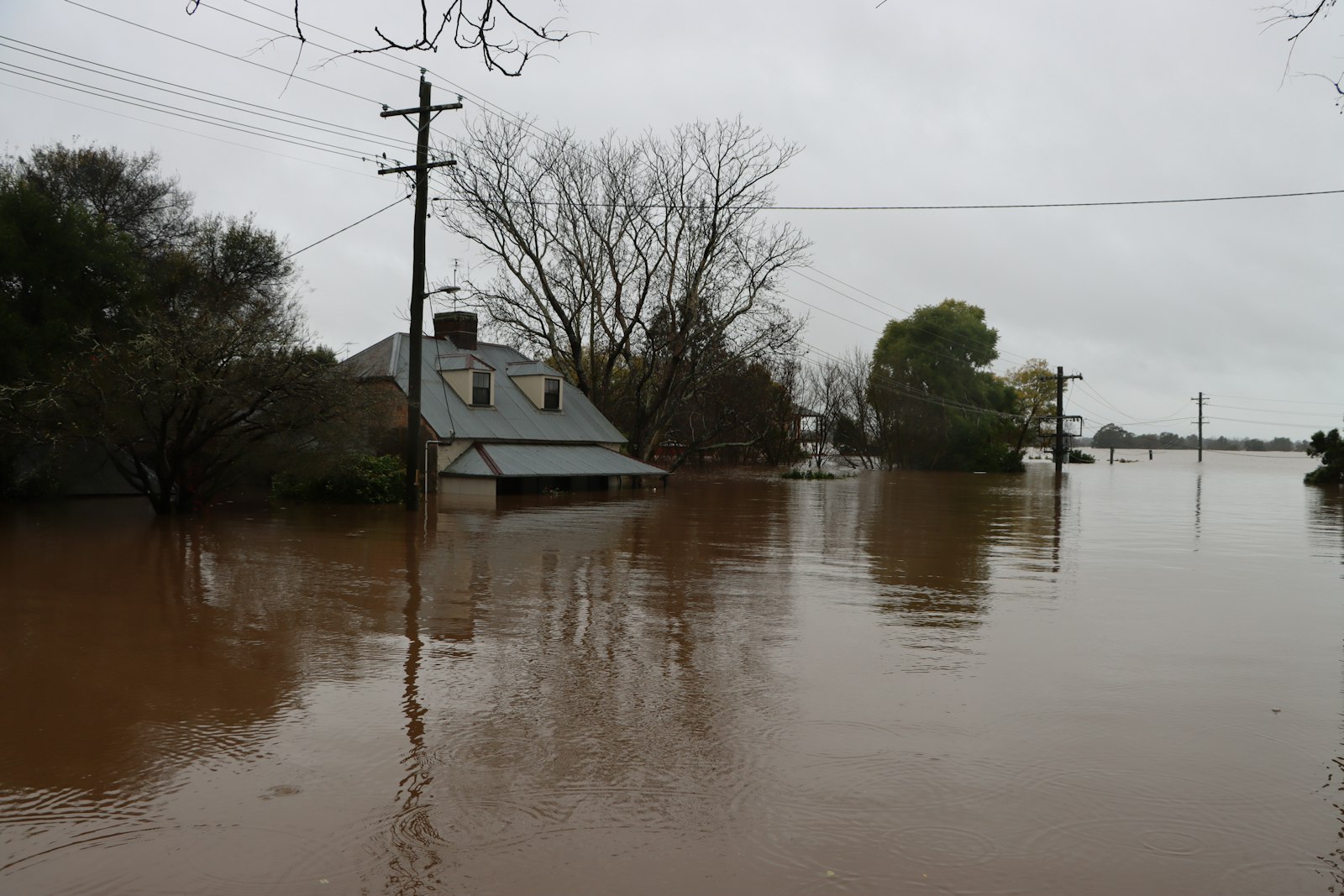
Storm and Flood Cleanup
Creek flooding brings yard and street water inside, which means removal and disinfection before any drying starts.
Storm and Flood CleanupSpring sits between two creeks, with Spring Creek along the county line to the north and Cypress Creek to the south, and a lot of houses built in the gap from the 1970s onward. Cypress Water Damage Repair connects callers here with independent providers for creek flooding and burst lines.
Creek flooding brings yard and street water inside, which means removal and disinfection before any drying starts.
Storm and Flood Cleanup
Carpet and pad hold far more water than they look like they do. Both are dealt with before anyone judges what can be saved.
Emergency Water Extraction
When the ground is saturated and a line backs up, the lowest fixture in the house is where it comes out.
Sewage CleanupThe first thing to tell the provider is which side of Spring you are on and whether the property is anywhere near a creek or a detention basin. Homes in the Spring Creek and Cypress Creek floodplains have a different risk profile from those a mile inland, and it changes what to expect and what your insurer will ask about.
Housing here runs from 1970s ranch homes through 1990s and 2000s two-story builds, nearly all on slabs. The older ones tend to have original supply lines and water heaters; the newer two-story houses send an upstairs leak straight down into a first-floor ceiling.
Say if the lot backs onto a creek, a bayou easement or a detention pond. It affects how quickly water leaves the property and what came in with it.
A 1970s single-story and a 2000s two-story flood in completely different patterns, so the inspection starts in different places.
Air handlers and water heaters in the attic are common here. When a pan or a line fails up there, the damage arrives through the ceiling.
Creek water is contaminated water, so the rule is straightforward: porous materials that sat in it come out, and structure gets cleaned, disinfected and dried. A clean leak from an attic pan is a different call, and plenty of ceiling drywall in that situation can be dried in place if it is caught quickly and has not sagged.
See how the two compare in our restore versus replace guide, or read what to do in the first 24 hours. The drying stage is explained on our structural drying page.
Referrals also cover Klein, and the full coverage list is on the service areas page.
It is driven by how many rooms took water, what type of water it was, how much material has to be removed and how many days of drying the structure needs. Contaminated water costs more to handle than a clean leak of the same size because of the removal and containment involved. Ask for the scope and price in writing first.
Cypress Water Damage Repair connects Spring callers with independent providers, north and south of FM 2920. Give the address and say whether the water is still coming in. If several homes on the street are affected, mention that too, because it can affect provider availability. See the request service page.
Availability depends on the provider and the property location. Active leaks are urgent, so say so when you call. After widespread creek flooding, extraction and muck-out usually come first and drying equipment follows, so ask the provider for a realistic window.
Treat it as one. Water that has run across yards, streets and ditches carries bacteria and whatever it picked up on the way. Wear gloves and closed shoes, keep children and pets out, leave the air conditioning off and do not restore power to flooded rooms until they have been checked.
Pad goes either way. Carpet that took clean water and is dealt with within the first day can often be dried and kept; carpet that sat in creek water does not stay. The decision is made on the water type and how long it was wet, and the provider should explain which applies before anything is lifted.
It changes the paperwork as much as the work. Homes in the mapped floodplain often carry separate flood coverage, and documentation of water height and affected materials matters more. Ask the provider to photograph the tide line and record what is removed so you have the evidence. See storm and flood cleanup.
Call and describe what the water is doing to check whether a provider is available.