Isolate and keep trading
Containment separates the wet area from the space you still need, so a back office or one dining area can be closed off while the rest opens. Noisy work is planned for off hours where the drying schedule allows it.
A wet floor closes a business by the hour. Cypress Water Damage Repair connects Cypress shops, offices, restaurants and warehouses with independent providers who isolate the damage, keep the rest trading and document the loss.
Tell the provider what is above and below the wet area, whether there is stock or equipment at risk and who holds keys after hours. In a multi-tenant building, the neighbors usually need to know before the machines go in.
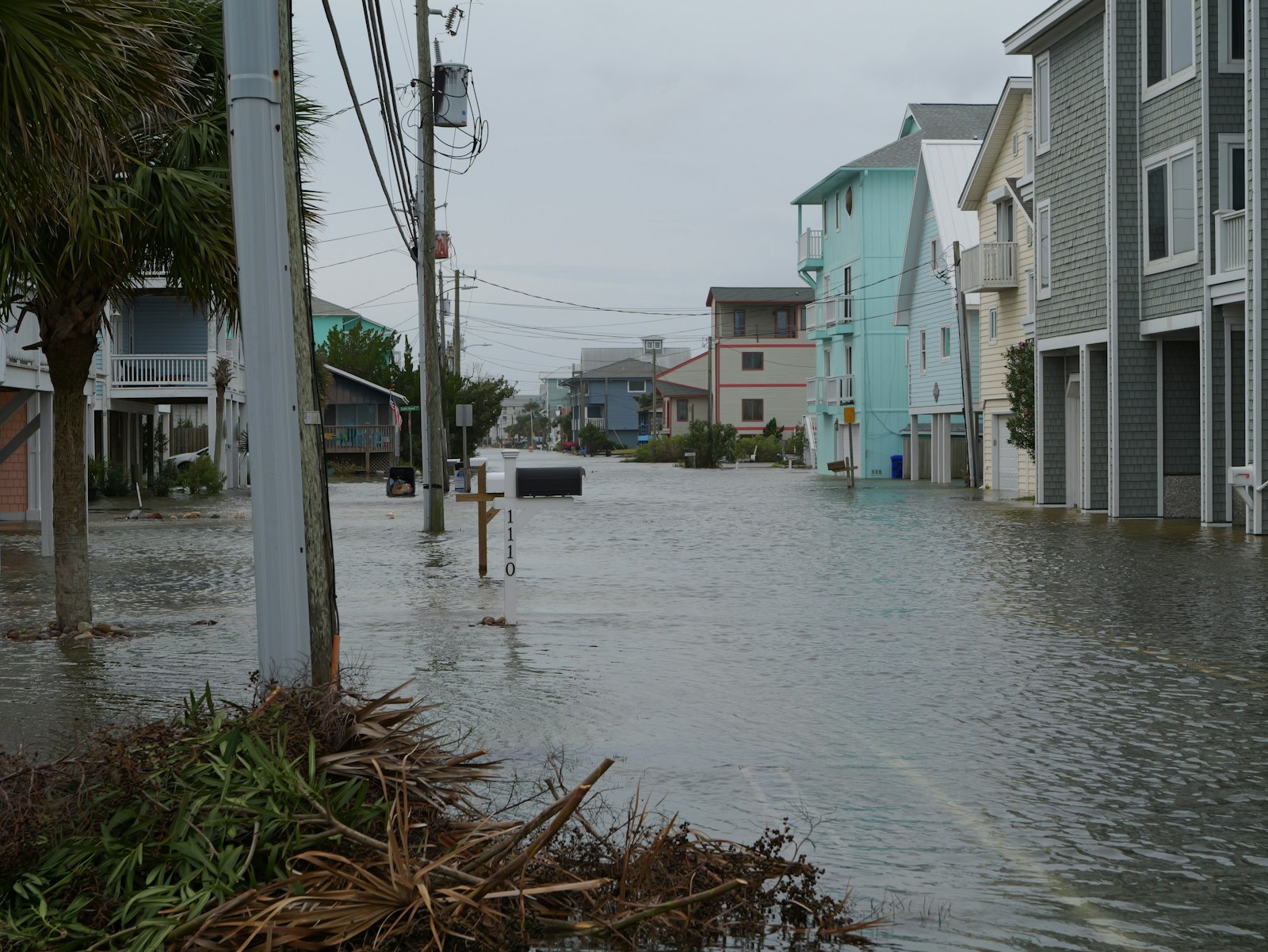
Commercial work can often be scheduled around your hours. Ask the independent provider to set out the staging before anything starts.
Containment separates the wet area from the space you still need, so a back office or one dining area can be closed off while the rest opens. Noisy work is planned for off hours where the drying schedule allows it.
Pallets, files, stock and electronics are moved off wet floors early and listed as work goes. Items that cannot be saved are recorded separately so your claim reflects what was actually lost.
Photographs, moisture logs and a written scope are kept from the first visit. Loss adjusters ask for exactly this, and having it from day one is usually what keeps a commercial claim moving.
Most commercial buildings around Cypress sit on slabs in single-story retail strips or light industrial parks along US-290 and the Grand Parkway, so water moves sideways across a large open floor plate rather than being contained by one room. That makes early containment more valuable than extra machines later.
The technical work is the same as residential: extraction then structural drying, with sewage cleanup handled under containment where a line has backed up. Decisions about commercial flooring and fitout are covered in our restore versus replace guide.
Referrals cover businesses across Cypress and the surrounding service areas, and availability varies by provider.
Often, yes. Extraction and setup usually come first, while noisier work and material removal can be moved to evenings or a closed day where the drying schedule allows. Tell the provider which hours matter most so the plan can be built around them.
Floor area, the type of construction and finishes, how much containment is needed and how long equipment has to run are the main drivers. Out-of-hours work and specialty flooring add to it. Ask for a written scope and quote before work starts, and agree any changes rather than assume them.
You do, but with the records to do it properly. Ask the provider for the photographs, moisture logs and itemized scope that adjusters expect. Whether the provider bills your insurer directly is something to confirm with them at the outset rather than assume.
Often, depending on the provider: the drywall, trim, flooring and paint that had to be removed can be put back as part of the same job. Specialist fitout, refrigeration or electrical work is usually handled by your own trades, so ask which parts fall outside the quote.
Call and describe what the water is doing to check whether a provider is available.