Fix the water first
Nothing is cleaned until the source is found and stopped, whether that is a supply line, a roof penetration, a condensate drain or a shower pan. Remediation without fixing the moisture simply resets the clock on the same problem.
When damp material has been sitting long enough to grow something, cleaning it is the last step, not the first. An independent provider can find the moisture source in your Cypress property, contain the area and then remove what has grown.
Mold needs moisture more than anything else, and in Cypress humidity a leak left for a couple of days is usually enough. Do not scrub or spray growth before it is assessed; disturbing it spreads spores into rooms that were fine.
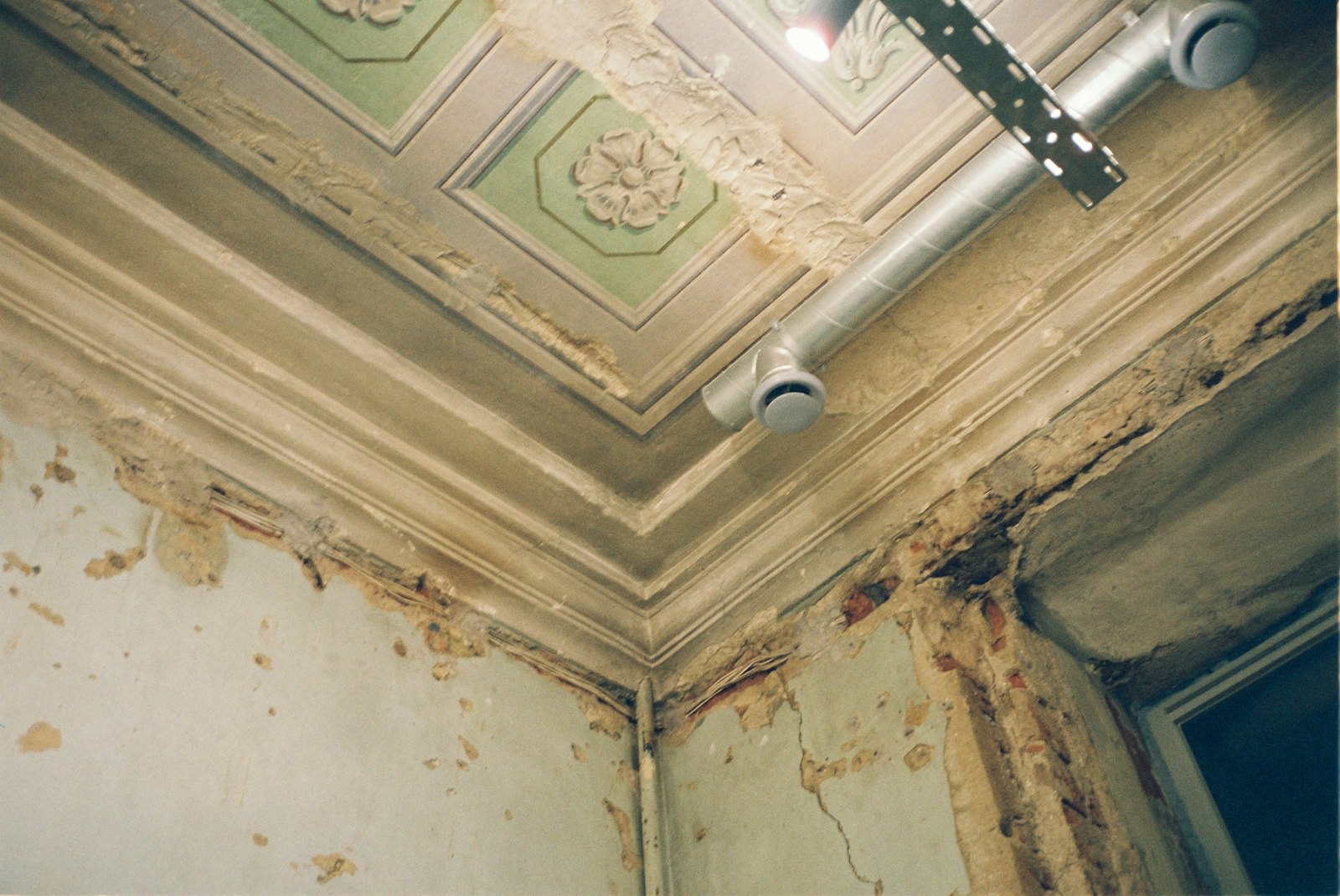
This page covers mold that followed a water loss. Ask the independent provider to explain what is in scope before any work is agreed.
Nothing is cleaned until the source is found and stopped, whether that is a supply line, a roof penetration, a condensate drain or a shower pan. Remediation without fixing the moisture simply resets the clock on the same problem.
The work area is sealed off and put under negative air with filtration so spores are not carried into the rest of the building. Doorways, vents and the route out are all part of that setup.
Affected porous material is removed and bagged inside the containment, the remaining surfaces are cleaned, and the structure is dried to measured readings so conditions do not favor regrowth.
Texas licenses mold assessment and remediation work, and above the state threshold the assessment and the remediation have to be carried out by separately licensed parties. For anything beyond small growth that follows a water loss, ask any provider for their license details in writing before work begins. Where the job needs a separate assessment, you should be told that rather than sold a cleanup.
Where mold is a bigger question than the water loss itself, a dedicated mold specialist is the right call. For water damage, the work starts with drying the structure after extraction, because dry materials do not grow anything.
Read the hidden damage guide if you suspect a slow leak, or find your community in our service areas.
In warm, humid conditions it can begin on damp material within a day or two, which is why drying quickly matters more than anything you spray on afterwards. A leak that has been quietly wetting a wall for weeks is a different conversation from a spill cleaned up this morning.
What people call black mold is usually Stachybotrys, a dark greenish-black growth that turns up on material that has stayed wet for a long time. Damp indoor growth of any color can irritate the eyes, nose and throat, and people with asthma or allergies may react more. This site does not diagnose health effects; if anyone is unwell, speak to a doctor.
No. Coating growth on a porous surface hides it without removing it, and the material underneath stays wet and keeps feeding it. Painted-over patches usually come back through within months. The moisture has to be fixed and the affected material removed.
Not always. Where growth is visible and the cause is an obvious recent leak, finding the water and dealing with it is the priority. Testing is more useful when growth is suspected but not visible, when a building is being bought or sold, or where a landlord and tenant need an independent record.
Call and describe what the water is doing to check whether a provider is available.