Signs of Hidden Water Damage
The worst water damage is rarely the dramatic kind. It is the slow leak behind a wall that nobody notices for months. Here are the signs worth looking for in Cypress homes, and what each one usually means.
- Restoration Referrals
- Independent Pros
- Drying & Repairs
By Cypress Water Damage Repair · Updated September 2026
Your Nose Usually Knows First
A musty smell in a room that looks perfectly normal is the single most reliable early sign. It is strongest when the room has been closed up for a few hours, which is why people often notice it walking in after work or coming home from a trip. The smell comes from material that is still damp behind a finish, and it will keep returning until that material is found and dried. Air fresheners and carpet powders hide it for a day and change nothing.
Stains That Change Shape
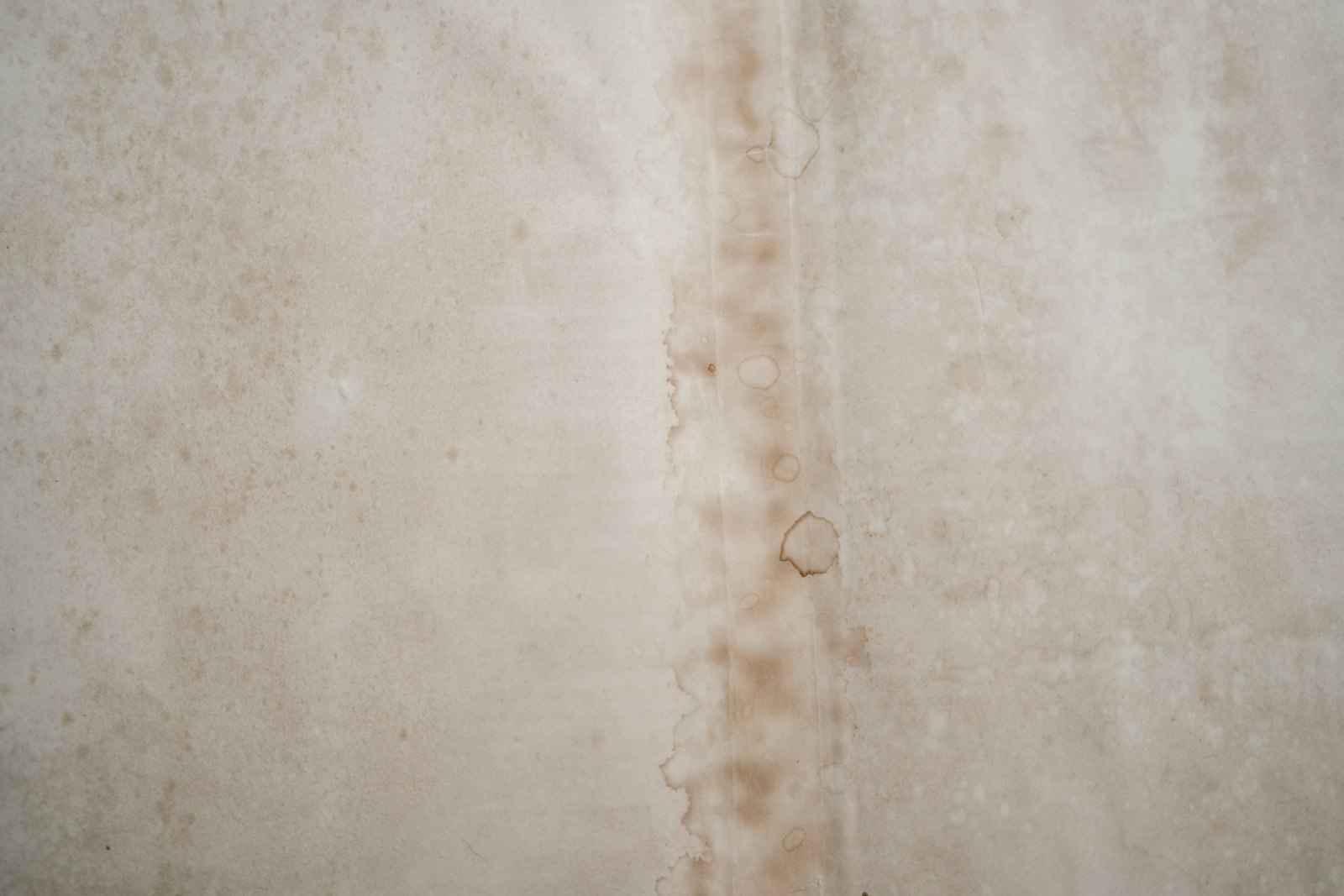
A brown ring on a ceiling or a tide mark low on a wall tells you water has been there. Whether it is still arriving is the question that matters. Photograph the stain, draw a light pencil line around its edge and look again after the next rain or after a few days of normal water use. If the edge has moved, water is still coming in. If it has not, you may be looking at an old repair nobody mentioned.
Either way the wet area behind the surface is almost always larger than the mark. Drywall wicks moisture outward and upward, so a hand-sized stain frequently sits in the middle of a patch two or three times that size.
Things That Move, Swell or Lift
Water changes the shape of building materials before it changes their color. Baseboards that have pulled slightly away from the wall, door frames that suddenly stick, wood flooring cupping at the edges of the boards, a bubble in the paint low on a wall, grout crumbling along one line of tile, or vinyl lifting at a seam are all worth a closer look. Nail heads showing through drywall and a tape seam that has started to split are the same story on a ceiling.
The Bill and the Meter
A water bill that has climbed for no reason you can explain is evidence. So is the meter itself. Turn off every fixture and appliance in the house, including the ice maker, then look at the meter and note the reading or watch the small leak indicator dial. Come back after an hour of nobody using water. If it has moved, water is going somewhere it should not, and on a slab home the most likely somewhere is under the floor.
Warm Spots and the Sound of Running Water
On a slab-on-grade house, a patch of floor that is warm underfoot can mean a hot supply line under the concrete has failed. So can the sound of water running faintly when every tap in the house is closed, usually noticed at night when everything else is quiet. Neither is a guarantee, but both are strong enough to justify having it looked at rather than waiting to see what happens.
Where It Hides in Cypress Houses
Three places account for most of the hidden damage in this area. The first is the attic, where water heaters and air handlers sit in a lot of local homes. A condensate line clogs in the summer heat, the pan overflows and the water soaks the ceiling insulation for weeks before a stain shows. The second is the exterior wall under a blocked gutter, which is why Copperfield homes with heavy tree cover see this so regularly. The third is under a kitchen or bathroom cabinet, where a slow supply connection drip soaks the particleboard base and nothing shows until the toe kick swells.
Humidity is what turns any of these from a nuisance into a real problem. Material that would dry out on its own in a drier climate simply stays damp here, and damp material in a warm wall cavity is exactly what mold needs.
How It Gets Found Properly
Guesswork means opening walls. Moisture meters read the actual water content of drywall, framing and subfloor, and thermal imaging shows the cooler pattern where water has spread behind a surface, so the wet area can be mapped before anything is cut. That is how a targeted access hole in the right place replaces a torn-out wall in the wrong one.
Arrange an Inspection
If two or three of these signs point the same way, have it checked rather than watched. An independent provider can locate the moisture, explain what is wet and set out the options, whether that means structural drying, cleanup after a failed supply line or mold remediation where growth has already started. Read dry and restore versus replace to see how materials are judged, then arrange a visit.