Cypress Water Damage Restoration: Slab Leaks
Cypress water damage restoration after a slab leak has two jobs: a plumber finds and fixes the pipe under the concrete, and a restoration provider dries the slab, flooring and walls before mold can start. Shut off the main water valve, take photos, and call to be connected with a local provider in Cypress.
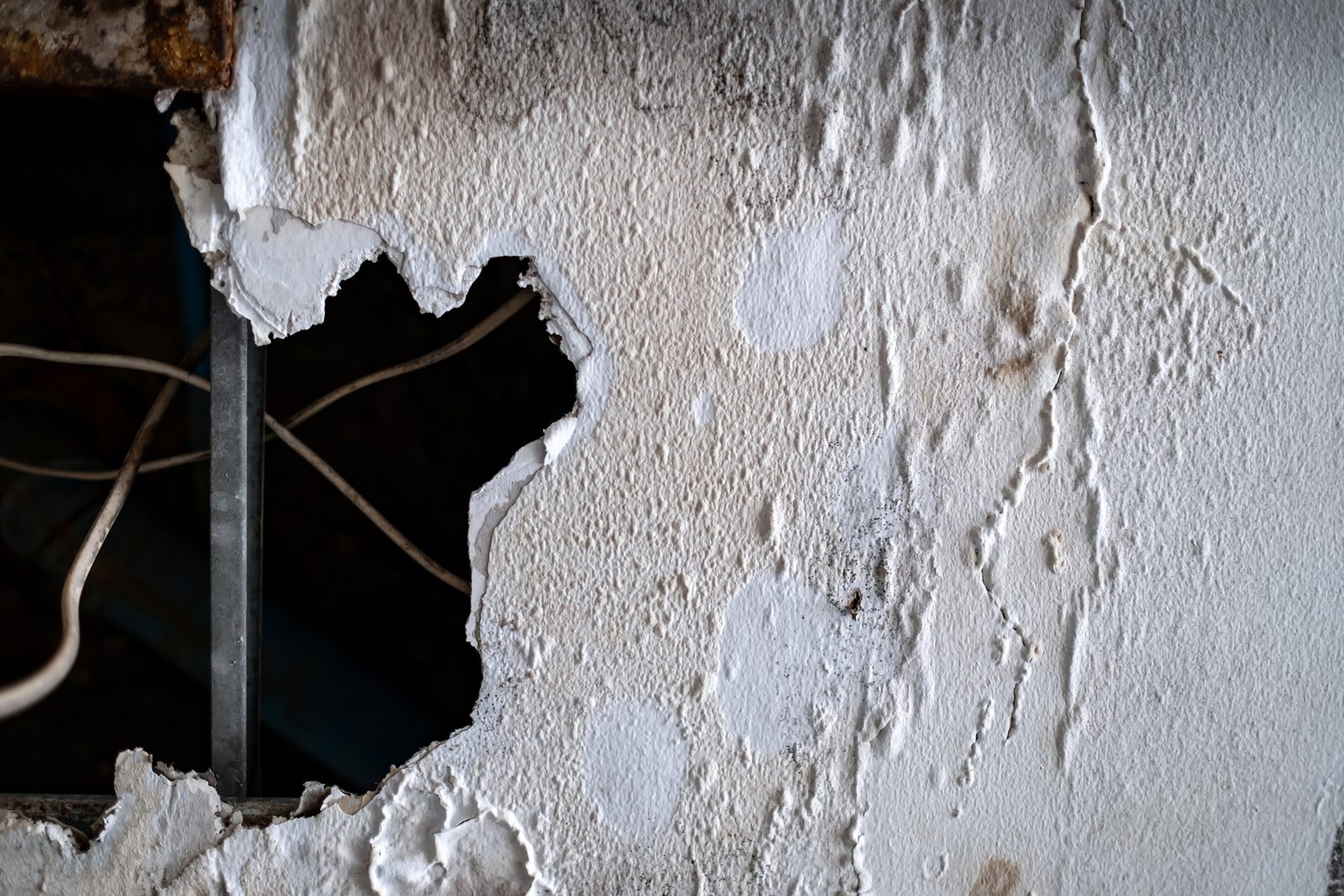
- A slab leak is a water line leaking under a concrete foundation, often showing up as warm spots, wet flooring or a higher water bill.
- NAHB reports 97.9% of new single-family homes in the West South Central region were built on slabs in 2024, so this is a common setup around Cypress.
- The Texas Department of Insurance warns that mold can start growing within a day after a leak.
- TDI says policies won't cover a continuous water leak, and lists damage to foundations or slabs as an optional add-on, so check your own policy.
- Drying starts after the leak is fixed, and moisture is measured until materials are dry.
What to do first
- Turn off the main water shutoff valve to the house to stop water from flowing to the leaking line.
- Stay out of wet areas near outlets, cords or power strips.
- Take photos and video of wet flooring, baseboards, the water meter and any warm or damp spots before anything is moved.
- Move rugs, furniture and boxes off wet flooring.
- Call a licensed plumber for leak detection, then call to be connected with a local water damage restoration provider for drying.
What are the signs of a slab leak in a Cypress home?
The most common signs of a slab leak in a Cypress home are a warm spot on a tile or wood floor, damp carpet with no visible source, a water bill that jumps for no reason, and the sound of running water when every fixture is off. Any one of these is worth checking quickly.
- Warm floor spots: a leaking hot water line under the slab can heat the floor above it.
- Wet or cupping flooring: wood planks that curl at the edges, laminate that swells, or grout that stays dark.
- Baseboard stains: water wicks up drywall from the floor line, leaving a stain or soft paint near the bottom of the wall.
- Meter that keeps moving: with all taps off, a spinning leak indicator on the water meter points to a leak somewhere on the property.
Many of these overlap with other hidden leaks. The guide to signs of hidden water damage covers walls and ceilings too.
What should I do first if I think water is leaking under my slab?
Shut off the main water valve first, then document the damage and call a plumber who offers leak detection. Stopping the water limits how far it spreads under flooring and into drywall. Photos taken before cleanup help both the plumber and your insurance claim.
After the water is off, pull up wet area rugs, lift furniture off wet floors and open interior doors so air can move. Do not cover the problem with new flooring or paint until the area is fully dry. If standing water is present, a provider can handle emergency water extraction before drying starts.
Who fixes the pipe and who fixes the water damage?
A slab leak usually needs two kinds of help. A licensed plumber locates the leak and repairs or reroutes the pipe. A water damage restoration provider then removes water, dries the slab, flooring and walls, and checks for mold risk. One does not replace the other.
In Texas, plumbers are licensed by the Texas State Board of Plumbing Examiners (TSBPE). Its consumer guidance says to ask for the name of the company's Responsible Master Plumber and check that the license is valid. Restoration work starts once the leak is stopped, because drying a slab while water is still feeding it does not work.
Need help now? Call to be connected with a local provider in Cypress who can check availability for your address.
How does Cypress water damage restoration dry a concrete slab?
Cypress water damage restoration for a slab leak dries the concrete, the flooring on top of it and the lower walls with air movers, dehumidifiers and moisture meters, after the leak is fixed. Concrete holds water and releases it slowly, so readings are taken and tracked until the materials reach a normal dry level.
Depending on the flooring, a provider may lift some boards or carpet pad to let air reach the slab, cut out a strip of wet drywall at the base of the wall, or use drying mats on hard floors. The page on structural drying and dehumidification explains how the equipment works, and this guide to drying equipment goes deeper.
Can my flooring be saved after a slab leak?
Sometimes. Tile set on the slab often survives once the area is dried. Carpet can sometimes be dried in place, but the pad underneath is often replaced. Laminate and engineered wood that have swelled or cupped are harder to save. A moisture reading and a look under the flooring decide it.
- Tile: usually stays, though grout and thinset need drying time.
- Carpet: clean-water leaks caught early have a good chance of drying in place.
- Laminate and vinyl plank: water trapped under the planks often means lifting them.
- Solid or engineered wood: mild cupping can flatten as it dries; heavy cupping or buckling usually cannot.
For a fuller look at this choice, read dry and restore vs. tear out and replace.
What happens during the visit?
During the visit, the provider inspects the wet areas, measures moisture in the slab, flooring and walls, explains your options in plain words, and gives you a written quote before any work begins. You decide what happens next.
- Inspection: moisture meters and sometimes thermal cameras map how far the water spread from the leak.
- Options explained: what can be dried in place, what may need to come out, and what to expect for the flooring.
- Written quote first: nothing starts until you have the scope in writing.
- Documentation: photos and moisture readings you can share with your insurance company.
You can read more about the process on how it works.
Does homeowners insurance cover slab leak water damage in Texas?
It depends on your policy. The Texas Department of Insurance says most home policies cover sudden and accidental water damage but usually not damage from gradual leaks or seepage. Slab leaks can fall on either side, so check your policy and document everything from the start.
TDI's home insurance guide says policies won't cover a continuous water leak, and it lists damage to foundations or slabs as an optional add-on. Ask your agent whether your policy has a foundation or slab endorsement. TDI also says hidden water damage usually must be reported within days after you first see it. Keep the plumber's invoice, photos and moisture readings together. The insurance claim basics guide has a simple checklist.
How fast does mold grow after a leak under the floor?
Fast. The Texas Department of Insurance warns that mold can start growing within a day after a leak, which is why drying should start as soon as the pipe is fixed. Carpet pad, drywall bottoms and the backs of baseboards are common places for growth after a slab leak.
If you already see or smell mold, Texas has rules for larger jobs. The Texas Department of Licensing and Regulation (TDLR) licenses mold assessment and mold remediation businesses, and one licensee may not do both the assessment and the remediation on the same project. Learn more on the mold remediation after water damage page.
Why slab leaks matter in Cypress and nearby areas
Most homes in Cypress, Bridgeland, Towne Lake and Fairfield sit on concrete slabs. The National Association of Home Builders reports that 97.9% of new single-family homes in the West South Central region, which includes Texas, were built on slab foundations in 2024. When a water line under that slab leaks, the water has nowhere to go but up into the flooring.
Soil also plays a part. The NRCS Lake Charles clay series, found in Southeast Texas mainly between the Colorado and Trinity Rivers, develops cracks 1/2 to 2 inches wide when dry.
Cold snaps can add strain on plumbing too. During the February 2021 freeze, Houston Intercontinental Airport fell to 12°F on February 16, and the National Weather Service listed broken pipes among the impacts. Insurers reported 112,052 claims in Harris County from that storm as of March 31, 2022. Whether you live in Cypress, Jersey Village, Copperfield or Katy, call to be connected with a local provider who can check availability for your address.
Related pages
Questions people ask
Who do I call for Cypress water damage restoration after a slab leak?
Call a licensed plumber to find and fix the leak, then call to be connected with a local water damage restoration provider in Cypress to dry the slab, flooring and walls. Both steps are needed, and drying works only after the leak is stopped.
Is it safe to keep living in my house with a slab leak?
Many people stay in the home once the main water is shut off and the wet area is kept clear. Stay away from wet floors near outlets or cords, and leave if you smell gas or see sparks.
How do I check my water meter for a leak under my slab?
Turn off every faucet, appliance and the irrigation system, then look at the meter's leak indicator or dial. If it keeps moving, water is leaving somewhere on the property, and a plumber can test whether it is under the slab.
Can a slab leak cause mold under my carpet?
Yes. Water rising through the slab soaks the carpet pad and the bottoms of walls, which are common places for mold, and TDI warns mold can start growing within a day after a leak.
How long does it take to dry a concrete slab after a leak?
There is no fixed timeline, because it depends on how long the leak ran, the flooring type and the weather. A provider measures moisture and tracks it until readings show the materials are dry.
Do they have to tear out my floors to dry a slab leak?
Not always. Tile and some carpet can often be dried in place, while swollen laminate or cupped wood may need to come up so air can reach the concrete.
Will homeowners insurance pay for slab leak damage in Texas?
It depends on your policy. TDI says most policies cover sudden and accidental water damage but usually not gradual leaks, and slab or foundation damage may need an optional endorsement, so read your policy and document everything.
Does insurance pay to find the slab leak, or only the water damage?
That depends on your policy wording. Ask your agent how leak detection, access to the pipe and the resulting water damage are each handled, and keep every invoice and photo.
What should I photograph for an insurance claim after a slab leak?
Photograph wet flooring, stained baseboards, warm or damp spots, the water meter and any damaged belongings before cleanup. Keep the plumber's report and any moisture readings with the photos.
How soon do I have to report hidden water damage to my insurance company?
Report it as soon as you can. TDI says hidden water damage usually must be reported within days after you first see it, and your policy sets the exact deadline.
Should the plumber or the restoration company come first?
Usually the plumber comes first to stop the leak, but if water is standing on the floor you can call for extraction right away. Drying cannot finish until the leak is repaired.
Can a slab leak damage my foundation?
Water under a slab can affect the soil and concrete over time, especially in clay soils. If you see new cracks, sticking doors or uneven floors, have a qualified foundation inspector or engineer take a look.
Do I need a licensed mold company in Texas after a slab leak?
For larger mold jobs, yes. TDLR licenses mold assessment and remediation businesses, and a homeowner can clean up mold in their own home without a license, though that does not make DIY safe or advisable.
Are slab leaks common in Cypress homes?
Most Cypress-area homes sit on slab foundations, so when a water line under the house leaks, it is often a slab leak. Clay soils that shrink and swell are also common in Southeast Texas.
Do you serve Bridgeland, Towne Lake and Jersey Village for slab leak water damage?
Yes, you can call to be connected with a local provider for Cypress, Bridgeland, Towne Lake, Jersey Village and nearby areas. The provider checks availability for your address.
Talk to someone about your water damage problem
Call to be connected with a local provider who can check availability for your address and explain the next step.