Burst Pipe Cleanup
Old galvanized lines and new plastic connectors fail for different reasons, and both put clean water across a whole floor.
Burst Pipe CleanupTomball runs from century-old houses around the old rail depot downtown to subdivisions finished last year off the tollway. The two need different approaches, because a 1940s cottage and a new two-story build hold and release water in completely different ways.
Old galvanized lines and new plastic connectors fail for different reasons, and both put clean water across a whole floor.
Burst Pipe Cleanup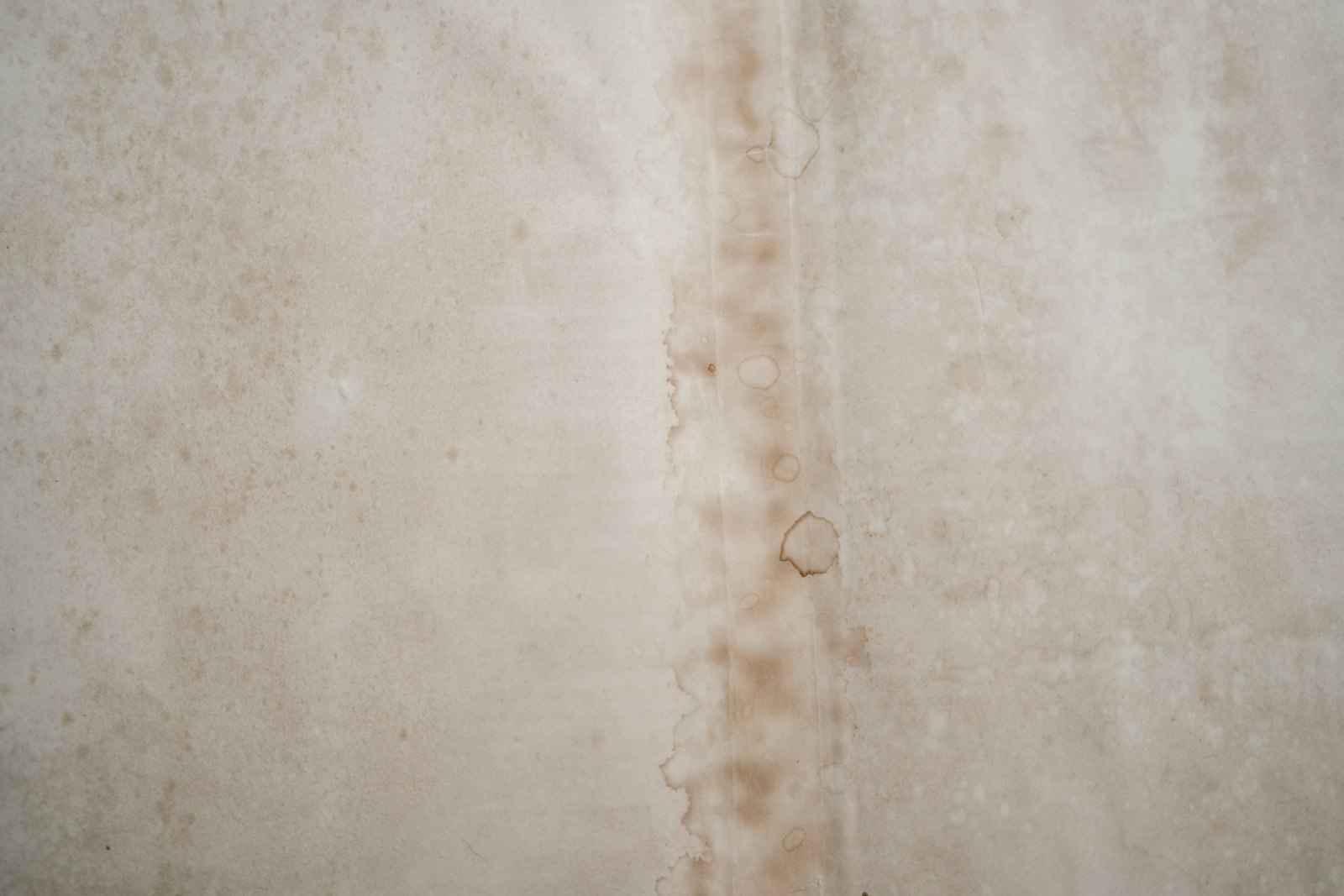
Roof and window leaks during a heavy storm soak insulation and ceilings long before water ever shows on the floor.
Storm and Flood Cleanup
Older timber and plaster take longer to give up moisture than new drywall, so the drying plan is built around the building.
Structural DryingTell the provider roughly when the house was built. Around the historic downtown there are homes with layers of renovation on top of original framing, where water tracks along old timber and shows up two rooms away. Out along SH 249 and the newer neighborhoods north of town, the buildings are slab-on-grade with plumbing manifolds and attic air handlers, which produces a different set of leaks.
Willow Creek and the Spring Creek corridor also matter if you are on that side of Tomball. Mention whether water came in at ground level or down from above, because the answer sends the job in a different direction from the first hour.
Renovated repeatedly over decades. Behind one wall there can be original framing, added insulation and newer drywall, each drying at its own rate.
Fresh construction leaks at connections, at the water heater and at the air conditioning condensate line. Two-story homes send it down through a ceiling.
If the property backs onto a creek or a detention area, say so. Ground conditions affect both access and what came in with the water.
In an older Tomball house the question is often whether original material is worth drying at all. Sound timber usually is. Plaster that has been wet for days, and cabinet bases made of particleboard, usually are not. In a newer build the calculation is simpler but the volume is bigger, because open-plan floors let water reach further before anybody stands in it.
Compare the two routes in our restore versus replace guide, and see what extraction covers if there is standing water now. Slow leaks are covered in the hidden damage guide.
Neighboring coverage includes Klein, and the full list is on our service areas page.
The wet area, the materials involved and the number of drying days set it. An older house with plaster and layered renovations usually needs more investigation than a new build, and that is reflected in the assessment rather than added later. Ask the independent provider for a written scope and price before any equipment is set up.
Cypress Water Damage Repair connects Tomball callers with independent providers, from the older streets near downtown out to the newer neighborhoods along the tollway. Give the full address and say what the water is doing now. Details on reaching us are on the request service page.
Availability depends on the provider and the property location, and an active leak is urgent, so say so when you call. Timing is confirmed by the provider on the phone based on what is already running.
Yes, if it is sagging or bulging. Water is heavy and a loaded ceiling gives way without warning, usually all at once. Keep everyone out from under it, move what you can from the edges of the room and tell the provider when you call so it can be released safely rather than left to fall.
Sometimes. Solid boards that took clean water for a short time can occasionally be dried with specialist mats and refinished, and that is worth trying on original flooring. Boards that cupped badly, or any floor that sat in contaminated water, usually come up. The readings and the water type decide, not the age of the floor.
They do. Dense old timber, plaster and layers of later work all hold moisture longer than modern drywall, so drying takes more days and more monitoring points. It is also more common to find a wet cavity that nobody expected. Ask the provider to plan for that rather than pull equipment out on a fixed schedule. See structural drying.
Call and describe what the water is doing to check whether a provider is available.