Storm and Flood Damage Cleanup

Water that came in from outside brings the yard, the street and the ditch with it. An independent provider clears out what cannot be saved, disinfects what stays and dries the structure of Cypress homes and businesses after a storm.

  • Restoration Referrals
  • Independent Pros
  • Drying & Repairs

After the Water Goes Down

  • A tide line on the wall showing how high water stood
  • Silt or debris left across floors and in cabinets
  • Carpet and pad that stayed wet overnight
  • Ceilings stained where a roof or window leaked
  • Insulation sagging in a soaked wall cavity

Wear gloves and closed shoes. Do not switch the breakers back on for a flooded area until someone qualified has looked at it, and do not run the air conditioning, because it will move contaminated air through the whole house.

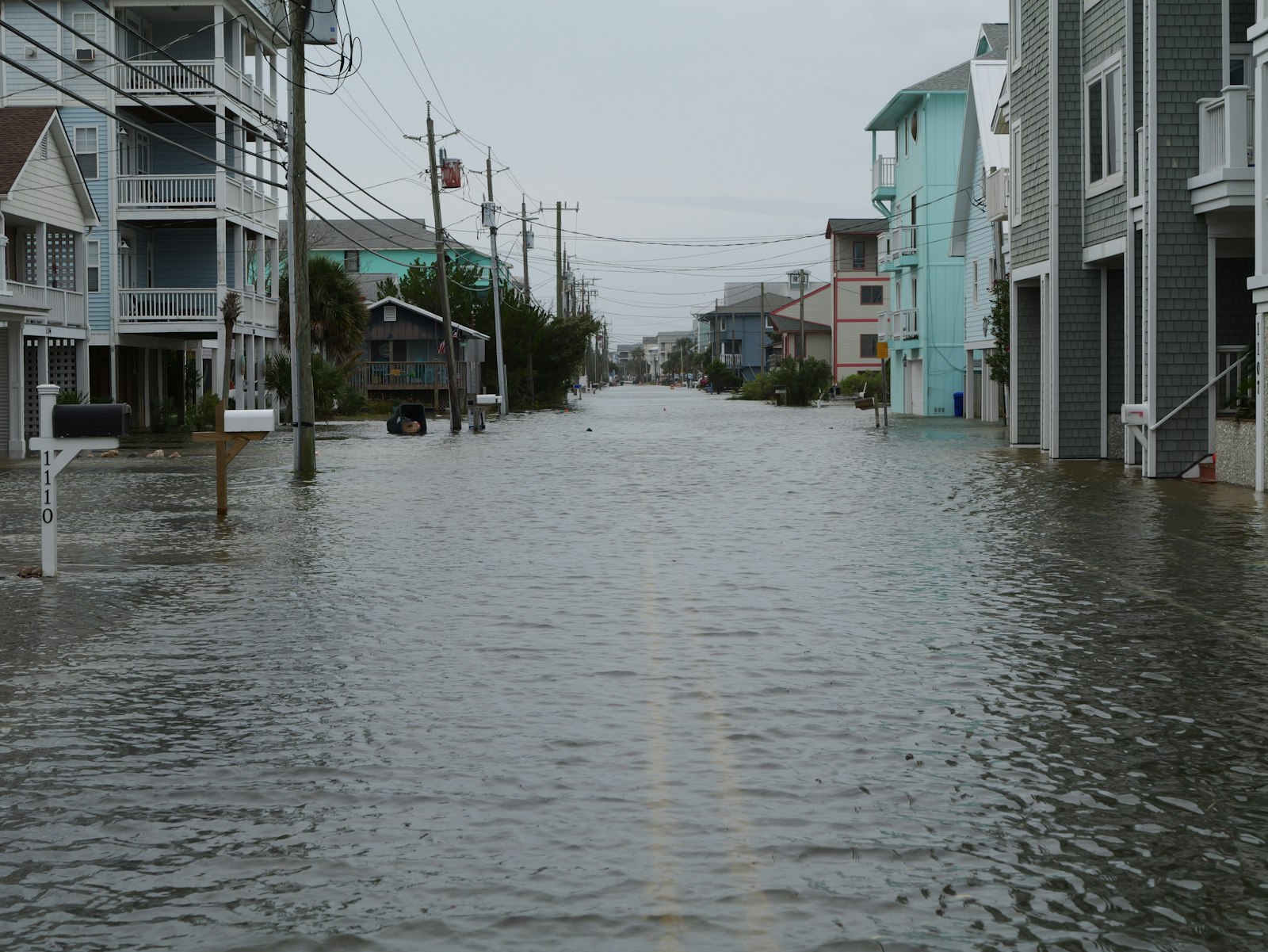
Residential street flooded between houses

What the Service Includes

Flood work runs in a fixed order, because drying a contaminated building before it is cleaned just bakes the problem in. Ask the provider to quote each stage so you can see what you are approving.

Muck-out and removal

Standing water, silt and debris come out first. Carpet pad, soaked insulation, particleboard cabinet bases and the lower section of drywall are removed where floodwater reached them, and what is coming out is listed before the work begins.

Cleaning and disinfection

Framing, slab and hard surfaces are cleaned and treated with an antimicrobial product once the contaminated material is gone. Salvageable contents are separated from what has to be discarded, and both lists are recorded.

Drying the shell

With walls open at the base, air movers and dehumidifiers dry the framing and slab to measured readings. Only then do repairs start, so new drywall does not go back over wet timber.

Flooding in Cypress

Cypress sits on flat ground between Cypress Creek and Little Cypress Creek, north and west of the Addicks reservoir watershed, and it drains slowly. The 2017 storm that flooded so much of the Houston area put water in homes that had never taken it before, and tropical systems and slow-moving summer storms have done smaller versions of it since. Streets here are built to hold water on purpose; the problem starts when the water gets past the threshold.

Once the muck-out is done, the job continues into structural drying, and if a sewer line backed up during the storm see sewage cleanup. Where the same weather also came in through the roof, that side of it sits on our roof and ceiling leak page. Materials that sat in floodwater rarely stay, and our comparison page explains why.

Storm calls come in from Cypress, Jersey Village, Spring and the rest of our coverage area.

Storm and Flood Questions

What has to be thrown out after a flood?

Porous material that sat in outside water: carpet pad, soaked insulation, particleboard, mattresses and upholstered furniture that took the water up. Framing, slab, tile and many hardwoods can usually be cleaned and dried. Ask the provider to walk the property with you and agree the list before anything is loaded out.

How soon should cleanup start after the water drops?

The same day if at all possible. In this climate contaminated material left in a closed-up house grows mold quickly, and every extra day usually means more drywall comes out. If you cannot be at the property, say so when you call and access can be arranged another way.

Is it safe to run the air conditioning to dry the house?

No, not after floodwater or sewage. The system will pull contaminated air and spores through the ducts into rooms that stayed dry. Leave it off, keep windows shut and let the drying equipment do it. This is one of the most common and most expensive mistakes after a flood.

Will my insurance cover storm flooding?

Rising water entering the building normally falls under flood coverage, which is a separate policy from standard homeowners insurance, while a roof leak during the same storm may be treated differently. Photograph everything before you move it and speak to your agent early.

Arrange storm cleanup in Cypress

Call and describe what the water is doing to check whether a provider is available.

Call for Service: (281) 524-6453