Does Renters Insurance Cover Water Damage in Cypress?
Does renters insurance cover water damage? In Cypress, the honest answer is that it depends on your policy and on how the water got in. Many policies treat sudden damage differently from gradual leaks, cover your belongings but not the building, and leave out flooding. Check your policy, document everything, and call to be connected with a local provider.
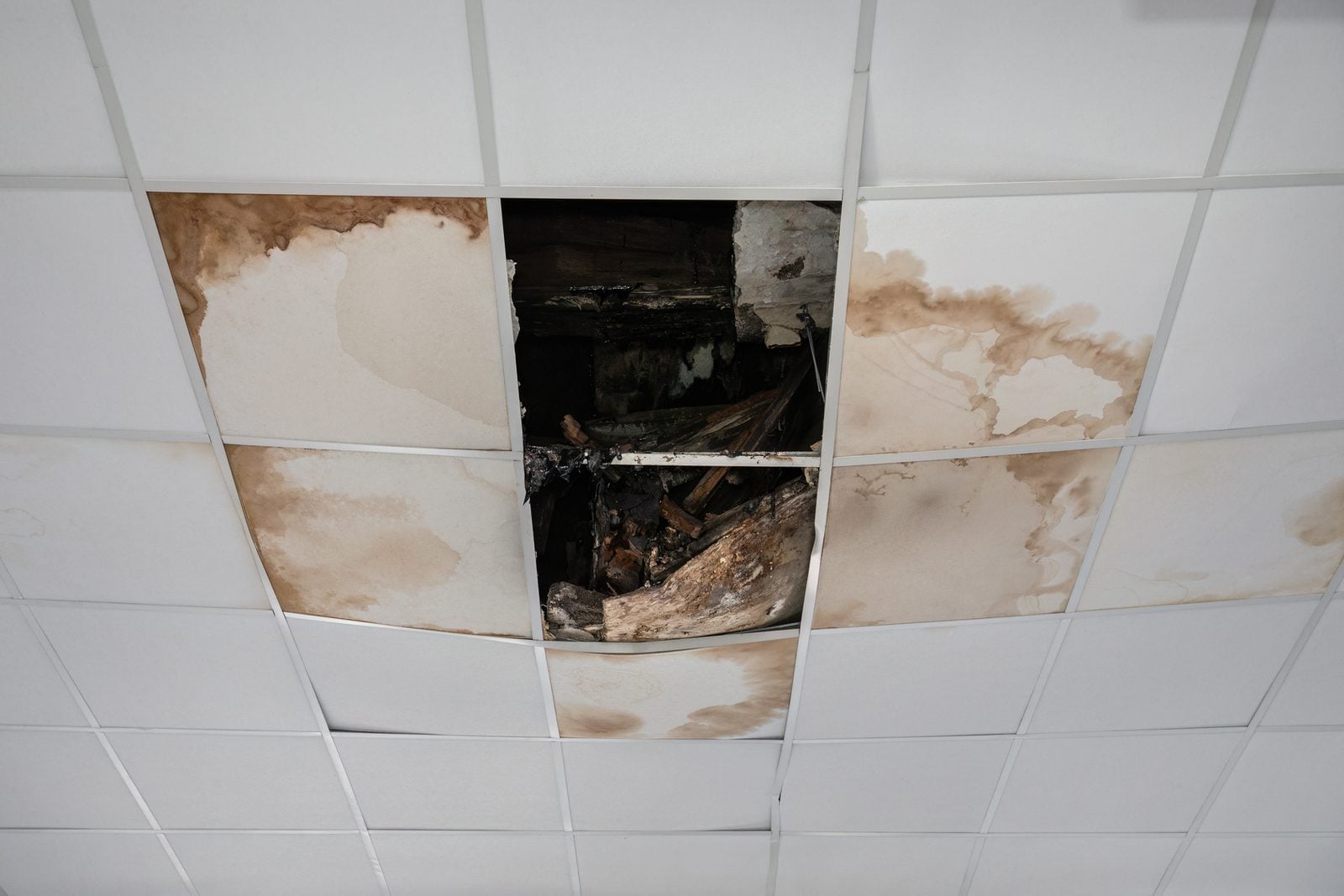
- The Texas Department of Insurance (TDI) says most homeowner and renters policies cover sudden and accidental water damage, such as a burst pipe, but usually not gradual leaks or seepage.
- A renters policy is generally about your belongings and your liability. The building itself is usually the landlord's responsibility and the landlord's insurance.
- TDI says flood coverage requires a separate policy, and most flood policies have a 30-day waiting period before coverage starts.
- TDI warns that mold can start growing within a day after a leak, so tell your landlord and start drying right away.
- Every policy is different. Read yours and photograph everything before cleanup starts.
Does renters insurance cover water damage?
Renters insurance often helps with water damage to a tenant's belongings when the cause is sudden and accidental, but it usually does not pay for gradual leaks, flooding or damage to the building itself. Whether a Cypress renter is covered depends on the exact wording of the policy, so read it before you assume either way.
Three questions decide most situations:
- How did the water get in? Sudden events and slow leaks are often treated very differently.
- What got wet? Your couch and laptop are one thing. The drywall, flooring and cabinets usually belong to your landlord.
- Was it flood water? Rising water from outside is usually a separate kind of coverage.
If water is in your apartment or rental home right now, call (281) 524-6453 to be connected with a local water damage provider in Cypress.
Why does sudden vs gradual water damage matter so much?
Sudden vs gradual matters because many policies are written to cover accidents, not slow problems that build up over time. A supply line that bursts on Tuesday is usually viewed differently from a drip under the sink that rotted the cabinet over months.
The Texas Department of Insurance says most homeowner and renters policies cover sudden and accidental water damage, such as a burst pipe, toilet overflow or broken washer hose, but usually won't cover damage from gradual leaks or seepage. A slow drip behind a toilet or water seeping around a window over many rains usually falls on the gradual side.
TDI's home insurance guide also says policies won't cover a continuous water leak. Report a drip or stain to your landlord the day you notice it. For leaks from washers, dishwashers and fridges, see appliance leak water damage cleanup.
Who pays for what: your renters policy or your landlord's policy?
In most rentals, the tenant's renters policy is about the tenant's belongings and liability, while the landlord's policy is about the building. So after a leak in a Cypress rental, your policy may look at your furniture and clothes, and your landlord's policy may look at the walls, floors and ceiling.
- Your belongings: furniture, electronics, clothes, rugs and other personal property are usually the tenant's to insure.
- The building: drywall, insulation, carpet that came with the unit, cabinets and built-in appliances are usually the landlord's.
- Liability: many renters policies include liability coverage if water from your unit damages a neighbor's unit.
- Loss of use: some renters policies include help with temporary housing if the rental cannot be lived in.
Your lease matters too. It may say who handles repairs and how to report problems, so read it alongside your policy.
Need help now? Call to be connected with a local provider in Cypress who can check availability for your address.
Does renters insurance cover flood damage in Texas?
Standard renters insurance usually does not cover flood damage in Texas, because flood from rising water is typically excluded and needs its own policy. TDI says a homeowners policy won't pay for flooding, and that flood coverage requires a separate policy. Renters policies are commonly set up the same way, so check yours.
Renters can usually buy flood coverage for their belongings. Ask your agent what is available for your address.
Timing matters. TDI notes that most flood policies have a 30-day waiting period before coverage starts, so you should not wait for a storm in the forecast to buy one.
TDI also says flood insurance doesn't pay for burst-pipe damage, so a broken pipe and a flooded street are usually handled under different policies. For storm-related water, see storm and flood damage cleanup.
Renters insurance and water damage: common myths vs facts
Many renters assume they are either fully covered or not covered at all. The truth usually depends on the cause, the property and the policy.
- Myth: My landlord's insurance covers my stuff. Fact: a landlord's policy usually covers the building, not the tenant's belongings. Your belongings typically need your own renters policy.
- Myth: Renters insurance covers flooding. Fact: flood coverage usually requires a separate policy.
- Myth: I can wait and report it later. Fact: TDI says hidden water damage usually must be reported within days after you first see it. Your policy sets the exact deadline.
- Myth: Mold is always covered after a leak. Fact: TDI says mold from a flood is not covered, and most policies don't include mold cleanup and testing after the damaged item is removed.
None of this replaces your policy. Ask your agent if anything is unclear.
What should a renter do right after water damage?
Right after water damage, a renter should stop the water if it is safe, tell the landlord in writing, and document everything before cleanup.
- Stay safe. If water is near outlets, cords or a ceiling light, stay out of the wet area and ask your landlord or property manager about turning off power at the breaker.
- Stop the source if you can. Turn off the valve behind the toilet or under the sink, or the main shutoff.
- Tell your landlord in writing. A dated text or email creates a record.
- Document everything. Take photos and video of the water, the source, the ceiling or walls, and every damaged item.
- Protect your belongings. Move electronics, rugs and furniture to a dry spot.
- Call your insurance company or agent. Ask how to file and what they need. TDI says an insurer must acknowledge a claim within 15 days under Texas law.
For more on the claim process, see water damage insurance claim basics.
Who handles drying and repairs in a rental home?
In most rentals, drying and repairing the building is the landlord's or property manager's job, while the tenant handles their own belongings and reports the problem quickly.
Drying should start fast. TDI warns that mold can start growing within a day after a leak. Wet drywall and carpet pad can hold water you cannot see.
If your landlord asks you to find help, or if you manage a rental yourself, call (281) 524-6453 to be connected with a local provider who can inspect the damage and explain the options. Learn how pipe leaks are handled on the burst pipe and leak cleanup page.
What happens during the visit?
During the visit, a local water damage provider inspects the wet areas, measures moisture, explains the options and gives a written quote before any work starts. In a rental, include the landlord or property manager.
- Inspection: a look at where the water came from and how far it spread, using moisture meters to find wet spots behind walls and under floors.
- Explanation of options: which materials can likely be dried in place and which may need to be removed.
- Written quote: the scope of work in writing before anything begins, so the tenant, landlord and any insurance adjuster can all see the same plan.
Water damage risks for renters in Cypress and nearby areas
Renters in Cypress, Jersey Village, Tomball and Katy face water damage from storms, flooding and the occasional hard freeze.
Flooding: the Harris County Flood Control District says a major flood occurs somewhere in Harris County about every two years, and that flooding can occur outside mapped floodplains. During Hurricane Harvey, the National Weather Service reports that flooding in Harris County damaged 113,136 homes. Standard renters policies usually leave out flood, so ask about a separate flood policy.
Storm season: the Atlantic hurricane season runs from June 1 to November 30, with its peak on September 10.
Freezes: during the February 2021 freeze, Houston Intercontinental Airport fell to 12°F, and the NWS listed broken pipes among the impacts. Insurers reported 112,052 claims in Harris County from that storm. TDI warns that policies might not pay for frozen-pipe damage if steps weren't taken to protect pipes, so follow your landlord's freeze instructions.
Whether you rent in Bridgeland, Copperfield, Spring or Towne Lake, if water is getting into your home, call (281) 524-6453 to be connected with a local water damage provider.
Related pages
Questions people ask
Does renters insurance cover water damage from a burst pipe?
Often, for your belongings, if the policy covers sudden and accidental water damage. TDI says most renters policies cover events like a burst pipe but usually not gradual leaks, so check your policy and document everything.
Does renters insurance cover water damage if the leak came from the apartment upstairs?
It may help with your own damaged belongings, depending on your policy. The upstairs tenant's liability coverage or the landlord's policy may also be involved, so report it to your landlord in writing and ask your insurer how they handle it.
Is my landlord responsible for water damage to my belongings?
Usually not automatically. A landlord's policy typically covers the building, not tenants' belongings, so your own renters policy is often what protects your things. Your lease and the cause of the leak can change the answer.
Will renters insurance pay for a slow leak under my kitchen sink?
Probably not, in many cases. TDI says most policies usually won't cover damage from gradual leaks or seepage, which is why reporting small leaks early matters.
Does renters insurance cover flooding from a hurricane or heavy rain?
Usually not. TDI says flood coverage requires a separate policy, so rising water from outside is typically not part of a standard renters policy.
Can renters buy flood insurance even if they don't own the building?
Yes, renters can usually buy flood coverage for their belongings. Most flood policies have a 30-day waiting period, so ask your agent early.
Will renters insurance pay for frozen pipe damage in Texas?
It may not. TDI warns that home and renters policies might not pay for frozen-pipe damage if steps weren't taken to protect the pipes, so follow your landlord's freeze instructions and check your policy.
Does renters insurance cover mold after a water leak?
Only in limited cases. TDI says mold on an item damaged in a covered loss would be covered, but mold from a flood is not, and most policies don't include mold cleanup and testing after the damaged item is removed.
What should I take pictures of after water damage in my apartment?
Photograph the source of the water, the wet floors, walls and ceiling, and every damaged item. Add video before anything is moved.
How soon should I tell my landlord about a leak?
Tell your landlord right away, and put it in writing. A dated text or email creates a record.
Does renters insurance help pay for a hotel if my rental is too wet to live in?
Some renters policies include loss-of-use coverage for temporary housing. Check whether yours does, what it requires and what records to keep.
If my washing machine overflows and damages the unit below, am I responsible?
You might be, depending on the cause and your lease. Many renters policies include liability coverage that may apply, so call your insurer and tell your landlord in writing.
Does renters insurance cover water damage from a roof leak during a storm?
It may cover your damaged belongings if the policy covers that kind of sudden storm damage. The roof and ceiling are usually the landlord's responsibility.
Can I hire a water damage company myself if my landlord is slow to respond?
Talk to your landlord first, in writing, because the building is their property and your lease may say how repairs are arranged. You can still protect and document your own belongings.
Can renters in Cypress, Jersey Village or Katy get help with water damage?
Yes. Calls from Cypress, Jersey Village, Katy, Tomball, Spring, Klein, Bridgeland, Copperfield, Fairfield and Towne Lake can be connected with a local water damage provider at (281) 524-6453.
Talk to someone about your water damage problem
Call to be connected with a local provider who can check availability for your address and explain the next step.