Water Extraction Services in Cypress: DIY or Pro?
Water extraction services in Cypress remove standing water from carpet, pads and hard floors with powerful pumps and vacuums, then measure what is still wet. A shop vac can handle a small, clean spill, but larger or dirty water usually needs professional equipment. Call to be connected with a local provider.
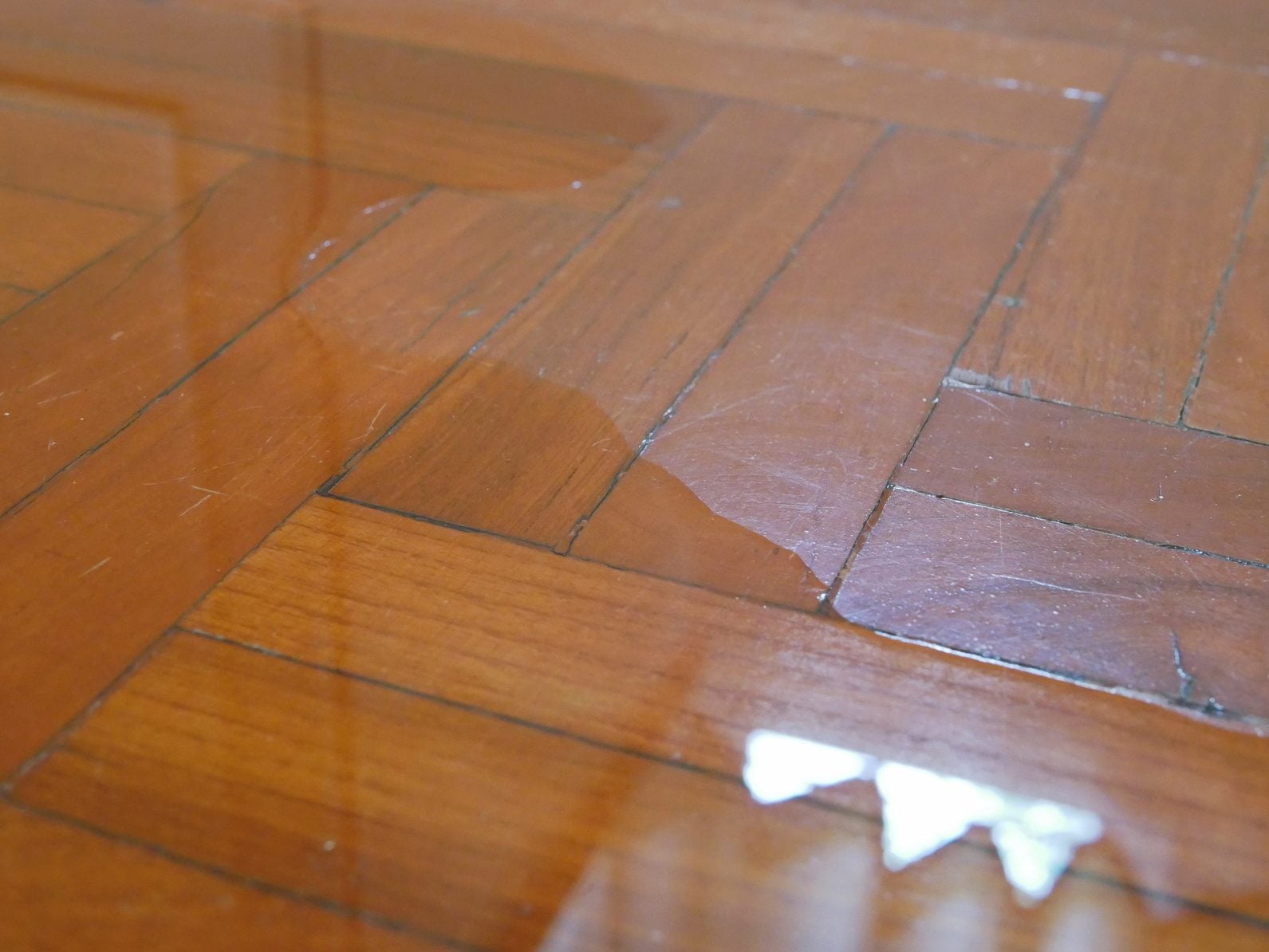
- The Texas Department of Insurance (TDI) warns that mold can start growing within a day after a leak, so standing water should come out as soon as it is safe.
- TDI says most homeowner policies cover sudden and accidental water damage, like a burst pipe or broken washer hose, but usually not gradual leaks or seepage.
- Extraction removes the bulk water. Drying equipment then pulls out the moisture left in pads, subfloors and wall cavities.
- Water from outside or from a sewer line is treated as dirty water, which changes what can be saved and who should handle it.
- A shop vac pulls water off the surface, but it cannot reach water soaked into carpet pad or trapped under flooring.
What do water extraction services in Cypress actually do?
Water extraction services in Cypress pull standing and soaked-in water out of a home using truck-mounted or portable extraction units, submersible pumps and weighted carpet tools. The goal is to remove as much liquid as possible before drying starts, because every gallon left behind has to evaporate later.
A provider also checks where the water went. Moisture meters and thermal cameras show wet spots under flooring, behind baseboards and inside walls that look dry from the outside. The emergency water extraction page explains the equipment in more detail.
Can I just use a shop vac instead of calling for water extraction?
A shop vac works for small, clean spills on hard surfaces, like a sink overflow on tile that you catch right away. It is not built for wall-to-wall wet carpet, water that spread into several rooms, or anything dirty. Most shop vacs only lift surface water and leave the pad and subfloor wet.
The problem is what you cannot see. Carpet pad holds a lot of water, and a home vacuum does not have the suction to pull it out. If the carpet still feels damp after you vacuum, the water is likely still underneath. That leftover moisture is what leads to odors, warped floors and mold growth.
How do I know if the water is too much to handle myself?
Call for professional water extraction if water covers more than one room, has soaked into carpet, reached the base of drywall, or sat for more than a few hours. Those signs mean water has moved into materials a shop vac cannot reach.
Other signs it is time to call:
- The water came from outside, a toilet with waste in it, or a sewer drain.
- Water is near outlets, power strips or appliances.
- You see bubbling paint, swelling baseboards or a soft spot in the floor.
- The ceiling below a second-floor leak is stained or sagging.
- You notice a musty smell a day or two after cleanup.
Need help now? Call to be connected with a local provider in Cypress who can check availability for your address.
Does the type of water change the decision?
Yes. Clean water from a supply line or a burst pipe is the easiest to handle. Gray water, like a washing machine or dishwasher drain, carries soap and some germs. Dirty water, like floodwater from outside or a sewage backup, can carry bacteria and should not be cleaned up with household tools.
Clean water can also turn dirty if it sits. That is why a slow response matters even for a burst pipe. With dirty water, porous items such as carpet pad and the bottom of drywall are often removed instead of dried, and the area is cleaned before drying begins.
Is extraction alone enough, or do I also need drying?
Extraction alone is rarely enough after a real leak. It removes the standing water, but moisture stays in pads, subfloors, drywall and framing. That moisture has to be dried out with dehumidifiers and air movers, then checked with meters until readings are back to normal.
Think of it as two steps. Extraction gets the water out fast. Structural drying finishes the job in the places you cannot reach. Skipping the second step is a common reason people find mold or a musty smell weeks later.
Should I pull up wet carpet myself before extraction?
Usually no. Leave wet carpet in place until a provider looks at it. In many clean-water cases, carpet can be extracted and dried where it lies, and pulling it up yourself can stretch it, tear the seams or damage the tack strip.
What you can do is move furniture off the wet area, or put foil or plastic under the legs so stains do not transfer. Lift curtains and bed skirts off the floor. Take photos first. The dry and restore vs. replace guide explains how providers decide what can be saved.
How does insurance look at DIY cleanup vs professional extraction?
Insurance policies differ, so check yours. TDI advises stopping a leak as soon as possible and says hidden water damage usually must be reported within days after you first see it. Many policies treat sudden damage differently from gradual leaks, so document everything either way.
If you start cleanup yourself, take photos and video before you touch anything, keep damaged items until the adjuster sees them, and save receipts for anything you buy. A written record of what was wet, and how it was dried, can help whether you clean up yourself or call a provider.
What happens during the visit?
A provider starts with an inspection. They find the source, check whether it is stopped, and map how far the water spread using moisture meters and, in many cases, a thermal camera. They also look at the type of water and the materials that got wet.
Next, they explain your options in plain words: what can be extracted and dried in place, what may need to be removed, and what equipment the job needs. You get a written quote before any work begins, so you can decide, call your insurance company, or ask questions first. Nothing should start until you agree to the plan.
Why water extraction comes up so often around Cypress
Northwest Harris County sees water problems from several directions. The Harris County Flood Control District says a major flood occurs somewhere in the county about every two years, and that flooding can happen outside mapped floodplains. Houston Intercontinental's normal annual rainfall is 51.84 inches, so heavy storms are part of life in Cypress, Copperfield and Towne Lake.
Freezes matter too. During the February 2021 winter storm, Houston Intercontinental fell to 12°F on the morning of February 16, and the National Weather Service listed broken pipes among the impacts. Insurers reported 112,052 claims in Harris County from that storm, the most of any county. The Atlantic hurricane season also runs from June 1 to November 30.
Whether the water came from a storm, a frozen pipe or a failed water heater in Jersey Village, Katy or Cypress, call to be connected with a local provider who can check availability for your address.
Related pages
Questions people ask
Who should I call for water extraction services in Cypress, TX?
Call the number on this page to be connected with a local water extraction provider in Cypress. Tell them where the water came from, how many rooms are wet and how long it has been sitting.
Can a regular shop vac get enough water out of wet carpet?
Usually not. A shop vac lifts surface water, but carpet pad and the subfloor stay wet, which can lead to odors, warping and mold.
How much water is too much to clean up on my own?
If water covers more than one room, has soaked into carpet or reached drywall, it is too much for household tools. Small spills on tile that you catch right away are usually manageable.
Is it okay to rent a carpet cleaner to pull water out of a flooded room?
A rental carpet cleaner is not made for flood volumes. It can help with a small damp spot, but it does not have the suction or tank size for a soaked room.
Why does my carpet still feel damp after I vacuumed up the water?
The water is likely still in the pad or subfloor. Surface vacuuming does not reach that layer, so it needs stronger extraction and drying equipment.
Can I clean up a toilet overflow myself?
If the water was clean tank water and you caught it fast, small cleanups are often fine. If it contained waste, treat it as dirty water and call for help instead of using household tools.
Do water extraction services also get water out of my walls?
Extraction removes standing water from floors. Water inside walls is found with moisture meters and then dried with air movers and dehumidifiers, sometimes through small holes near the baseboard.
What is the difference between water extraction and water mitigation?
Water extraction is the step that removes the water. Water mitigation is the broader job of stopping more damage, which includes extraction, drying, and removing materials that cannot be saved.
Will a few box fans dry my floor after I remove the water?
Box fans help a little with surface moisture, but they do not pull water out of the air or out of the subfloor. Dehumidifiers and moisture readings are what confirm a floor is truly dry.
Can water extraction save hardwood or laminate floors?
Sometimes. Hardwood can often be dried if extraction starts early. Laminate tends to swell at the seams and is harder to save, so a provider will check before recommending removal.
Is the carpet pad usually thrown away after water damage?
Often, yes. Pad soaks up water like a sponge and is hard to dry fully. After dirty water it is almost always removed, while carpet itself can sometimes be dried.
Does my insurance company care if I start cleaning up the water myself?
Check your policy, because each one is different. Take photos before you touch anything, keep damaged items for the adjuster, and save receipts for what you buy.
What should I do with furniture sitting on wet carpet?
Move it to a dry room if you can. If not, set the legs on foil or plastic blocks so stains and rust do not soak into the carpet.
How do water extraction companies find hidden water under floors?
They use moisture meters and thermal cameras. These tools show wet areas under flooring and behind baseboards that look dry to the eye.
Is it safe to use a wet vac near outlets and cords?
No, not if water is touching outlets, cords or appliances. Shut off power at the breaker only if you can reach it from a dry spot, and otherwise stay out and call for help.
Do I need professional water extraction if the leak was on tile or in the garage?
Not always. Water on sealed tile or a garage slab can often be mopped or squeegeed out. Check nearby walls, cabinets and baseboards, because water often wicks into them.
Can I get water extraction services in Copperfield, Towne Lake or Katy?
Yes, call the number on this page to be connected with a local provider who serves Copperfield, Towne Lake, Katy and other areas around Cypress, and ask about availability for your address.
Talk to someone about your water damage problem
Call to be connected with a local provider who can check availability for your address and explain the next step.