How to Find a Roof Leak in Cypress, TX
Learning how to find a roof leak starts inside, not on the roof: in Cypress, trace the ceiling stain up to the attic, follow wet wood and insulation uphill to where water enters, and note what you see. Stay off the roof, protect your belongings, and call <a href="tel:+12815246453">(281) 524-6453</a> to be connected with a local provider.
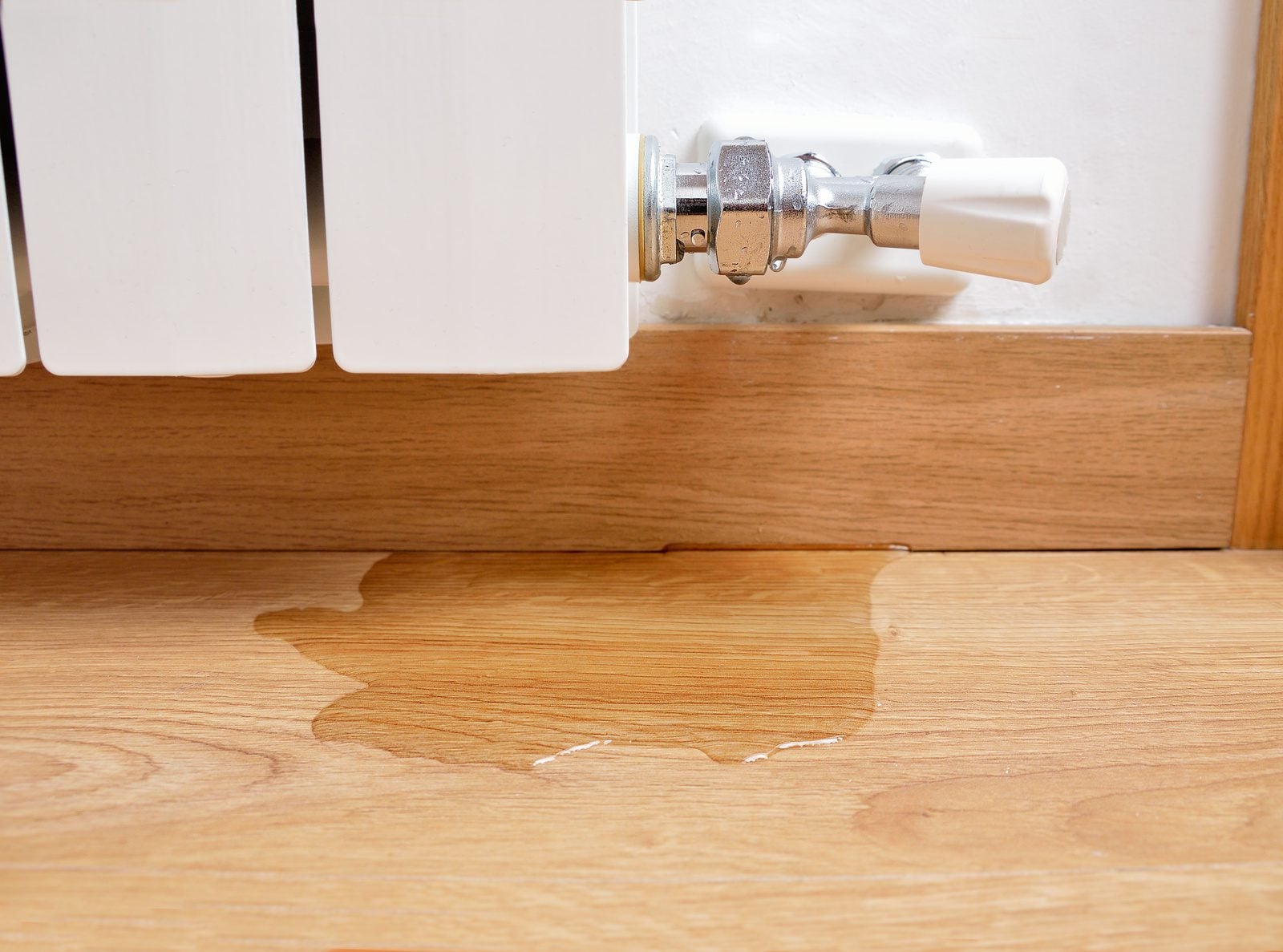
- Water rarely drips straight down. It often runs along rafters, decking or pipes before it shows up as a ceiling stain, so the entry point is usually uphill from the spot.
- The attic is the safest place to search. A flashlight, a phone camera and a dry day after rain are usually enough to spot dark wood, damp insulation or daylight through a gap.
- Common entry points include flashing around chimneys and vents, pipe boots, skylights, valleys where two slopes meet, and damaged or missing shingles.
- The Texas Department of Insurance (TDI) warns that mold can start growing within a day after a leak, so drying matters as much as finding the source.
- Climbing onto a wet or steep roof is risky. Leave rooftop checks and repairs to a roofing professional.
How to find a roof leak from inside: where do you start?
To find a roof leak from inside a Cypress home, start at the water stain, then go into the attic directly above it and look uphill along the rafters and roof deck for dark, damp or stained wood. Most leaks enter higher on the roof than where the stain appears, so follow the trail upward.
Simple, safe steps for the search:
- Mark the stain. Take a photo and note which room and wall it is near.
- Enter the attic carefully. Step only on the framing (joists), never on the drywall between them, and watch for nails coming through the deck.
- Use a strong flashlight. Look for water trails, dark rings on wood, rusty nail tips, mold spots and flattened or darker insulation.
- Follow the trail uphill. Water often runs along a rafter or the top of a wall before it drops. Trace it to the highest wet point.
- Check around anything that pokes through the roof. Vent pipes, exhaust fans, chimneys and skylights are frequent sources.
What are the first signs of a roof leak?
The first signs of a roof leak are usually a yellow or brown ring on the ceiling, peeling paint near the top of a wall, or a musty smell in an upstairs room or closet. In Cypress, these often show up a day or two after a heavy storm rather than during it.
- Stains or bubbling paint on ceilings, especially near outside walls or below roof valleys
- Drips from light fixtures, ceiling fans or smoke detectors
- Damp or compressed insulation in the attic
- Dark streaks on the underside of the roof deck
- Shingles that look lifted, cracked or missing after high wind
A small stain is easy to ignore, but it means water has already soaked through the decking, insulation and drywall. That is the part a water damage provider looks at.
Where do roof leaks usually start?
Roof leaks usually start where the roof surface is interrupted: around flashing, vent pipe boots, chimneys, skylights and valleys. Wide open areas of shingles leak less often unless storm wind has lifted or torn them.
- Pipe boots: rubber seals around plumbing vents can crack in strong sun and let water run down the pipe.
- Flashing: metal strips at walls, chimneys and dormers can loosen or lose their seal.
- Valleys: where two slopes meet, a lot of water moves fast, so worn shingles here leak sooner.
- Skylights: the seal or frame can fail, and condensation can look like a leak.
- Gutters: clogged gutters can push water back under the roof edge and into the soffit or wall.
Need help now? Call to be connected with a local provider in Cypress who can check availability for your address.
Is it a roof leak or something else?
Not every ceiling stain is a roof leak. In many Cypress homes, a stain below the attic can also come from AC condensation, a leaking water heater in the attic, or a plumbing line, so check what sits above the stain before assuming the roof is at fault.
- Stain grows only during or after rain: most likely the roof, flashing or gutters.
- Stain grows on dry, hot days: often the AC drain pan, condensate line or sweating ductwork.
- Stain near a bathroom or under an upstairs room: could be a supply line, drain or toilet seal.
- Frost or damp all over the attic in cold weather: may point to poor attic ventilation rather than a single hole.
If water keeps appearing with no rain, it may be a plumbing leak, and the water supply may need to be shut off while it is checked.
Can you find a roof leak with a hose test?
A hose test can find a roof leak, but it means someone on the roof and someone in the attic, so it is a job for a roofing professional rather than most homeowners in Cypress. The method is to wet one small section at a time, starting low and working up, while a helper watches inside for drips.
Why it is usually left to a pro:
- Wet shingles are slippery, and falls from roofs cause serious injuries.
- Spraying too hard or upward can force water under shingles and create a new leak.
A safer version you can do: wait for the next rain, sit in the attic with a flashlight, and watch for where water first appears. Take photos and video for the roofer and for your records.
What should you do right after you find a roof leak?
Right after you find a roof leak, protect the inside of the house: put a bucket under the drip, move furniture and electronics away, and photograph the stain, the attic and anything wet. Then arrange a roof repair and get the wet materials checked for drying.
- Catch the water. Use buckets or bins and lay towels or plastic on the floor.
- Relieve a bulging ceiling with care. If water is pooling above drywall and the ceiling is sagging, keep people out of the room and call for help. A sagging ceiling can fall.
- Keep power away from water. If water is near a light fixture or outlet, turn off that circuit at the breaker panel if it is safe to reach.
- Document everything. Photos and short videos with dates help with any insurance conversation.
- Start drying. TDI warns that mold can start growing within a day after a leak, and wet insulation and drywall can hold moisture long after the drip stops.
Many policies treat sudden damage differently from gradual leaks; check your policy and document everything. TDI says hidden water damage usually must be reported within days after you first see it.
To be connected with a local water damage provider, call (281) 524-6453.
When should you stop searching and call for help?
Stop searching and call for help when you cannot see the source from the attic, when the ceiling is sagging or wet over a large area, or when the leak returns after a patch. These are signs that water has spread further than a quick look can show.
- You cannot safely get into the attic, or the space is very tight or hot
- The drywall is soft, sagging or cracking
- Insulation is soaked across a wide area
- You smell mustiness or see spots that look like mold
- Water is near wiring, light fixtures or the electrical panel
- The stain keeps growing after the rain stops
A roofer handles the roof itself. A water damage provider can measure moisture in the ceiling, walls and insulation and explain whether they can be dried in place.
What happens during the visit?
During the visit, a local water damage provider inspects the stained areas and the attic, measures moisture, explains the options and gives a written quote before any work starts.
- Inspection: a look at where the water came in and how far it traveled, using moisture meters, and sometimes thermal cameras, to find wet spots in ceilings, walls and insulation.
- Explanation of options: which materials can likely be dried in place, which may need to be removed, and what needs to happen with the roof first.
- Written quote: the scope of work in writing before anything begins, so you and any insurance adjuster can see the same plan.
Why roof leaks are common in Cypress and nearby areas
Roof leaks are common in Cypress, Tomball, Spring and Jersey Village because the area gets heavy rain, tropical storms and the occasional hard freeze, and each one puts stress on shingles, flashing and seals.
Heavy rain: the National Weather Service lists the 1991-2020 normal annual rainfall at Houston Intercontinental Airport as 51.84 inches.
Storm season: the Atlantic hurricane season runs from June 1 to November 30, with its peak on September 10 and most activity between mid-August and mid-October. Wind-driven rain can push water under shingles and flashing that stay dry in a normal shower.
Freezes: during the February 2021 freeze, Houston Intercontinental Airport fell to 12°F on the morning of February 16. TDI reports that the storm caused property damage across Texas from freezing pipes, fallen limbs and the weight of ice and snow. A freeze is a good reason to check the attic for new stains.
Whether your home is in Bridgeland, Copperfield, Fairfield or Towne Lake, check the attic after every big storm. If you find wet wood, damp insulation or a growing stain, call (281) 524-6453 to be connected with a local water damage provider.
Related pages
Questions people ask
How to find a roof leak without getting on the roof?
Go into the attic above the stain and follow the wet wood or water trail uphill to the highest damp point. Water often travels along rafters before it drips, so the entry point is usually higher than the stain.
What is the easiest way to find a roof leak from the attic?
Wait for rain, then sit in the attic with a strong flashlight and watch for where water first appears. On a dry day, look for dark rings on the wood, rusty nail tips and damp insulation.
Why is the water stain on my ceiling far from where the roof leaks?
Because water runs along rafters, roof decking, pipes and wires before it drops onto the ceiling. A stain can show up several feet away from the actual opening in the roof.
Can a roof leak only show up when it rains hard or the wind blows?
Yes. Some leaks only open up during wind-driven rain, when water is pushed sideways under shingles or flashing. That is common during tropical storms in the Cypress area.
Is it safe to get on my roof to look for a leak?
Usually not. Wet or steep roofs are slippery and falls cause serious injuries, so leave rooftop checks to a roofing professional and do your searching from the attic.
How do I tell if a ceiling stain is from the roof or the AC?
Notice when it grows. A stain that grows after rain points to the roof, while one that grows on hot, dry days often comes from the AC drain pan or condensate line in the attic.
Can a small roof leak cause big water damage?
Yes. A slow drip can soak insulation, decking and drywall for weeks before a stain shows, which can lead to mold and soft ceilings. Check it early even if the stain looks small.
What does wet insulation from a roof leak look like?
It looks darker, flatter and clumped compared with the dry insulation around it. Wet insulation loses its fluff and can hold moisture against the ceiling drywall below.
Should I poke a hole in a ceiling that is bulging with water?
Do not stand under it, and the safer choice is to call for help. A water-filled ceiling can fall without warning, so keep everyone out of the room and put a bucket and plastic down if you can do it safely.
What should I photograph when I find a roof leak?
Photograph the ceiling stain, the attic above it, wet insulation, damaged belongings and any visible roof damage from the ground. Dated photos and short videos help with insurance conversations.
Does homeowners insurance cover a roof leak in Texas?
It depends on your policy and the cause. TDI says most policies cover sudden and accidental water damage but usually not gradual leaks or wear and tear, so check your policy and document everything.
How soon can mold grow after a roof leak?
Quickly. TDI warns that mold can start growing within a day after a leak, which is why drying wet insulation and drywall matters as much as fixing the roof.
Why does my roof leak around the vent pipe?
The rubber boot that seals around a plumbing vent pipe can crack in strong sun and let water run down the pipe into the attic. It is one of the most common leak points on a shingle roof.
Do I call a roofer or a water damage company after I find a roof leak?
Often both. A roofer stops water at the roof, and a water damage provider checks and dries the wet ceiling, walls and insulation inside the house.
How do professionals find a roof leak inside the walls and ceiling?
They use moisture meters and sometimes thermal cameras to find wet areas that look dry. That shows how far the water spread from the roof into the ceiling and walls.
What should I check in my attic after a storm in Cypress?
Check for new stains on the roof deck, damp insulation, drips around vent pipes and chimneys, and any daylight through the roof. Do it after each big storm during hurricane season.
How do I get help with a roof leak and water damage in Cypress, Tomball or Spring?
Call (281) 524-6453 to be connected with a local water damage provider. Have photos of the stain and attic ready so you can describe what you found.
Talk to someone about your water damage problem
Call to be connected with a local provider who can check availability for your address and explain the next step.