Roof Leak Repair Cost in Cypress: What Drives It
Roof leak repair cost in Cypress depends on two separate bills: fixing the roof itself and drying out what the water reached inside. The biggest drivers are where the leak starts, the roof material, how long water has been getting in, and whether insulation, drywall or flooring got wet. Call to be connected with a local provider.
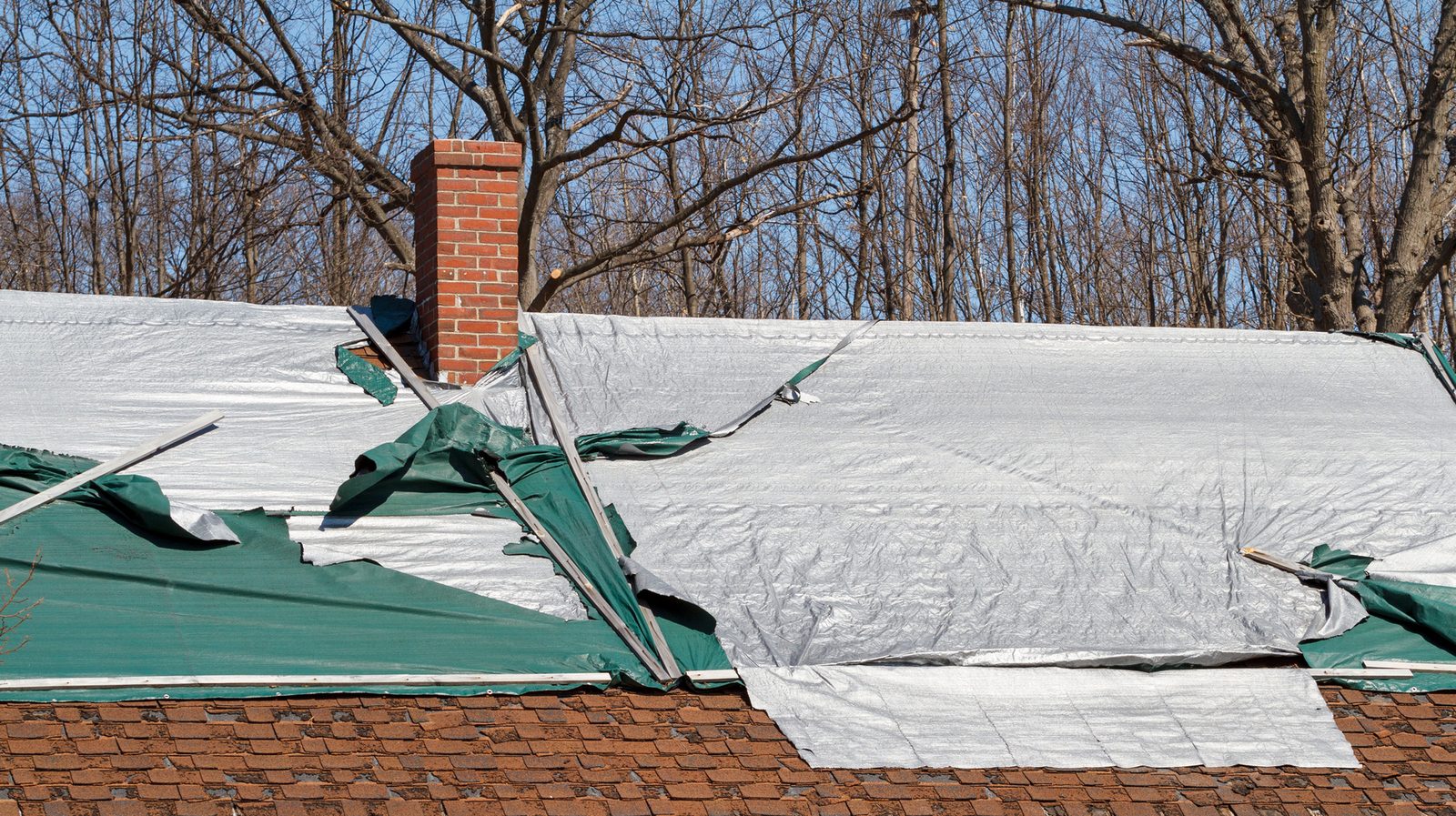
- A roof leak usually means two jobs: a roofer stops the water, and a water damage provider dries the attic, ceiling and walls.
- The Texas Department of Insurance warns that mold can start growing within a day after a leak, so delays tend to widen the damage.
- TDI says most policies cover sudden and accidental water damage but usually not gradual leaks, so check your own policy and document everything.
- Houston Intercontinental's 1991-2020 normal annual rainfall is 51.84 inches, so a small roof gap around Cypress gets tested often.
- Hidden water in insulation and drywall is a common reason a small-looking leak becomes a bigger job.
What to do first
- If water is dripping near a light fixture, ceiling fan or outlet, turn off power to that area at the breaker panel.
- Do not climb onto a wet roof. Stay inside and catch the water with buckets or bins.
- If the ceiling is sagging or bulging with water, keep everyone out of the room below it.
- Move furniture, rugs and electronics away from the drip and lay down towels.
- Take photos and video of the ceiling stain, drips and wet items before anything is moved.
- Call to be connected with a local water damage provider to check and dry the attic, ceiling and walls.
What drives roof leak repair cost in a Cypress home?
Roof leak repair cost in a Cypress home is driven by where the water gets in, what the roof is made of, how hard the spot is to reach, how long the leak has been running, and how much of the inside got wet. Most of the total often comes from interior damage, not the roof patch.
Think of it as two bills. The first is the roofer's work to stop water at the source. The second is the cleanup inside: drying the attic, removing soaked insulation, cutting out wet drywall and checking for mold.
Because every house and every leak is different, any honest answer about cost starts with an inspection. If you already see a stain or drip, call (281) 524-6453 to be connected with a local water damage provider in Cypress.
Where is the leak coming from, and why does it change the cost?
The source of a roof leak changes the cost because some fixes are small and simple, while others mean opening up a larger part of the roof. A loose flashing seam is a very different job from water getting under many shingles across a slope.
- Flashing: the metal around chimneys, walls and skylights. Gaps here are a common leak point and are often repaired locally.
- Pipe boots and vents: rubber collars around plumbing vents crack in the sun. These are usually small, targeted repairs.
- Valleys: where two roof slopes meet, water moves fast. Leaks here can spread under nearby shingles.
- Missing or lifted shingles: wind can lift shingle edges. One or two may be simple; a whole section takes more work.
- Decking: if the wood under the shingles is soft or rotted, that wood has to be replaced, which adds labor and materials.
A roofer may need to trace water uphill from where it shows on your ceiling. Water often travels along rafters before it drips, so the stain is not always under the hole.
How does the type of roof affect what you pay?
Roof type affects cost because each material needs different parts, skills and safety setup. Asphalt shingle roofs, the most common type on Cypress-area homes, are usually the simplest to patch. Tile, metal and flat roof sections tend to need more specialized work.
- Asphalt shingles: replacement shingles must match the existing ones, and older shingles can be brittle and crack when lifted.
- Tile: tiles break easily when walked on, and the leak is often in the underlayment below them, not the tile itself.
- Metal: leaks often come from fasteners or seams, which need the right sealant and parts.
- Low-slope or flat sections: porch roofs and additions drain slowly, so small gaps let in more water.
Roof pitch and height matter too. A steep, two-story roof takes more safety gear and time than a low, single-story one.
Need help now? Call to be connected with a local provider in Cypress who can check availability for your address.
Why does the time a leak has been running matter so much?
Time matters because water keeps spreading the longer a roof leak runs. A fresh leak may only wet one spot in the attic. An older leak can soak insulation, stain several ceiling panels, run down inside walls and start mold growth.
The Texas Department of Insurance advises stopping a leak as soon as possible and warns that mold can start growing within a day after a leak. Once mold is involved, the job grows: affected materials may need to be removed, and in Texas, larger mold jobs fall under rules from the Texas Department of Licensing and Regulation (TDLR).
Slow leaks are hard to spot. A spreading stain, bubbling paint or a musty smell are all reasons to get the attic checked.
What interior damage adds to the total cost?
Interior damage adds to the total cost because each wet material has to be dried, cleaned or removed. The most common items after a roof leak are attic insulation, ceiling drywall, wall cavities, paint, and flooring or furniture under the drip.
- Insulation: wet blown-in or batt insulation holds water and often has to be removed before the attic can dry.
- Ceiling drywall: a small stain may only need drying and paint; a sagging ceiling usually needs to come down.
- Walls: water running down studs can wet the inside of walls where you cannot see it.
- Floors and contents: carpet pad, wood flooring and furniture under the leak may need drying or replacement.
- Drying equipment: air movers and dehumidifiers run until moisture readings reach normal levels.
A provider who measures moisture can tell you which materials can be dried in place and which should be replaced. Learn more about structural drying and dehumidification.
Will homeowners insurance help with roof leak damage in Texas?
Homeowners insurance may help with roof leak damage in Texas, but it depends on your policy and on how the damage happened. The Texas Department of Insurance says most policies cover sudden and accidental water damage but usually won't cover damage from gradual leaks or seepage.
TDI also says a homeowners policy won't pay for flooding or wear and tear, and that flood coverage requires a separate policy. That means a storm that tears off shingles can be treated differently from an old roof that slowly let water in.
Some practical steps:
- Take photos and video of the roof (from the ground), the ceiling, and every wet item before cleanup starts.
- Keep damaged materials or photos of them until your adjuster says otherwise.
- Report hidden water damage quickly. TDI says it usually must be reported within days after you first see it.
- Keep copies of every written quote and invoice.
Under Texas law as summarized by TDI, an insurer must acknowledge a claim within 15 days. This is general guidance, not legal advice. Read more in water damage insurance claim basics.
Should you call a roofer or a water damage provider first?
Call both, in this order: stop active water first, then dry what got wet. If rain is still coming in, a roofer can tarp or patch the roof. At the same time, a water damage provider can start removing wet insulation and drying the attic and ceiling.
Waiting until the roof is fully repaired before drying the inside can let moisture sit for days. That raises the chance of mold and can add to the interior cost.
To be connected with a local water damage provider in Cypress, call (281) 524-6453. For more on what roof leaks do inside a home, see roof and ceiling leak water damage.
What happens during the visit?
During the visit, a local provider inspects the leak area, measures moisture in the ceiling, walls, attic and floors, and explains your options before any work starts. You should get a written quote that lists what will be dried, what will be removed and why.
- Inspection: a look at the stain, the attic above it and nearby walls, using moisture meters to find water you cannot see.
- Explanation of options: which materials can be dried in place and which likely need to be replaced.
- Written quote: the scope of work in writing before anything begins, so you can compare it with your policy and any other quotes.
Why roof leaks are common in Cypress and nearby areas
Roof leaks in Cypress, Tomball, Spring and Jersey Village are driven by heavy rain, strong storms and long, hot summers. Houston Intercontinental Airport's 1991-2020 normal annual rainfall is 51.84 inches, so any small gap in a Cypress roof gets tested many times a year.
Storm season is long here. The Atlantic hurricane season runs from June 1 to November 30, with its peak on September 10 and most activity between mid-August and mid-October. Wind-driven rain can push water under shingles and flashing that stay dry in normal weather. The Harris County Flood Control District also notes that a major flood occurs somewhere in Harris County about every two years.
Heat plays a part too. Houston Intercontinental's record high is 109°F, and long stretches of strong sun can crack rubber pipe boots and dry out sealants over time. Winter can bring trouble as well: during the February 2021 winter storm, Houston Intercontinental fell to 12°F, and across Texas the weight of ice and snow and fallen limbs caused property damage.
Whether you live in Bridgeland, Towne Lake, Copperfield or Katy, if you see a ceiling stain after a storm, call (281) 524-6453 to be connected with a local water damage provider.
Related pages
Questions people ask
How much does roof leak repair cost in Cypress, TX?
Roof leak repair cost in Cypress depends on the leak source, roof material, roof height and pitch, and how much water got inside. The only reliable number comes from an inspection and a written quote, so have both the roof and the interior checked.
What is the biggest factor in roof leak repair cost?
Usually it is how long the leak ran before it was found. A fresh leak may only need a small roof fix and light drying, while an old leak can soak insulation, drywall and walls.
Why is the interior damage sometimes bigger than the roof repair?
Water spreads once it gets past the roof. It soaks insulation, runs along rafters and down walls, and wets drywall and floors, and each of those has to be dried or replaced.
Is a small ceiling stain worth getting checked?
Yes. A small stain often means more water is sitting above it in the insulation or attic. A moisture check can show how far it has spread.
Can I patch a roof leak myself to save money?
Climbing on a roof is risky, especially when it is wet, so most people should leave roof work to a roofer. Inside, you can catch drips, move belongings and take photos while you wait.
Does a roof leak always mean I need a new roof?
No. Many leaks come from one spot, like flashing or a cracked pipe boot, and can be repaired without replacing the whole roof. A roofer can tell you whether a repair or a larger job makes sense.
Does homeowners insurance cover a roof leak in Texas?
It depends on your policy. TDI says most policies cover sudden and accidental water damage but usually not gradual leaks or wear and tear, so check your policy and document everything.
How fast do I need to report a roof leak to my insurance company?
Report it as soon as you can. TDI says hidden water damage usually must be reported within days after you first see it, and your own policy sets the exact deadline.
How soon can mold grow after a roof leak?
The Texas Department of Insurance warns that mold can start growing within a day after a leak. Drying wet materials quickly helps limit it.
Do I need a licensed mold company in Texas after a roof leak?
It depends on the job. TDLR regulates mold assessment and remediation businesses in Texas, and companies doing mold-related work must be licensed unless an exemption applies.
Should I call a roofer or a water damage company first after a roof leak?
Stop the water first, then dry the inside. If water is still coming in, get the roof tarped or patched, and have the attic and ceiling dried as soon as possible.
Does wet attic insulation have to be replaced?
Often, yes. Soaked insulation holds water against the ceiling and dries slowly, so it is commonly removed so the attic and drywall can dry.
Can a wet ceiling be dried instead of replaced?
Sometimes. A ceiling that is damp but firm can often be dried in place, while one that sags, crumbles or has mold usually needs to come down.
Is it dangerous if my ceiling is sagging from a roof leak?
A sagging ceiling can fall, so keep people and pets out of the room below it. Turn off power to nearby lights or fans at the breaker if water is near them.
Why do roof leaks happen so often in the Cypress area?
Cypress gets heavy rain, a long hurricane season and strong summer heat. Houston Intercontinental's normal annual rainfall is 51.84 inches, so weak spots get tested often.
What should I ask for in a written quote for roof leak damage?
Ask for a list of what will be dried, what will be removed and why. A clear written scope helps you compare quotes and share them with your adjuster.
How do I get help with roof leak water damage in Cypress?
Call (281) 524-6453 to be connected with a local water damage provider in Cypress. They can inspect the ceiling, attic and walls and explain your options.
Do you cover Tomball, Spring and Jersey Village for roof leak water damage?
Yes. Calls from Tomball, Spring, Jersey Village, Klein, Bridgeland, Copperfield, Fairfield, Katy and Towne Lake can be connected with a local provider.
Talk to someone about your water damage problem
Call to be connected with a local provider who can check availability for your address and explain the next step.